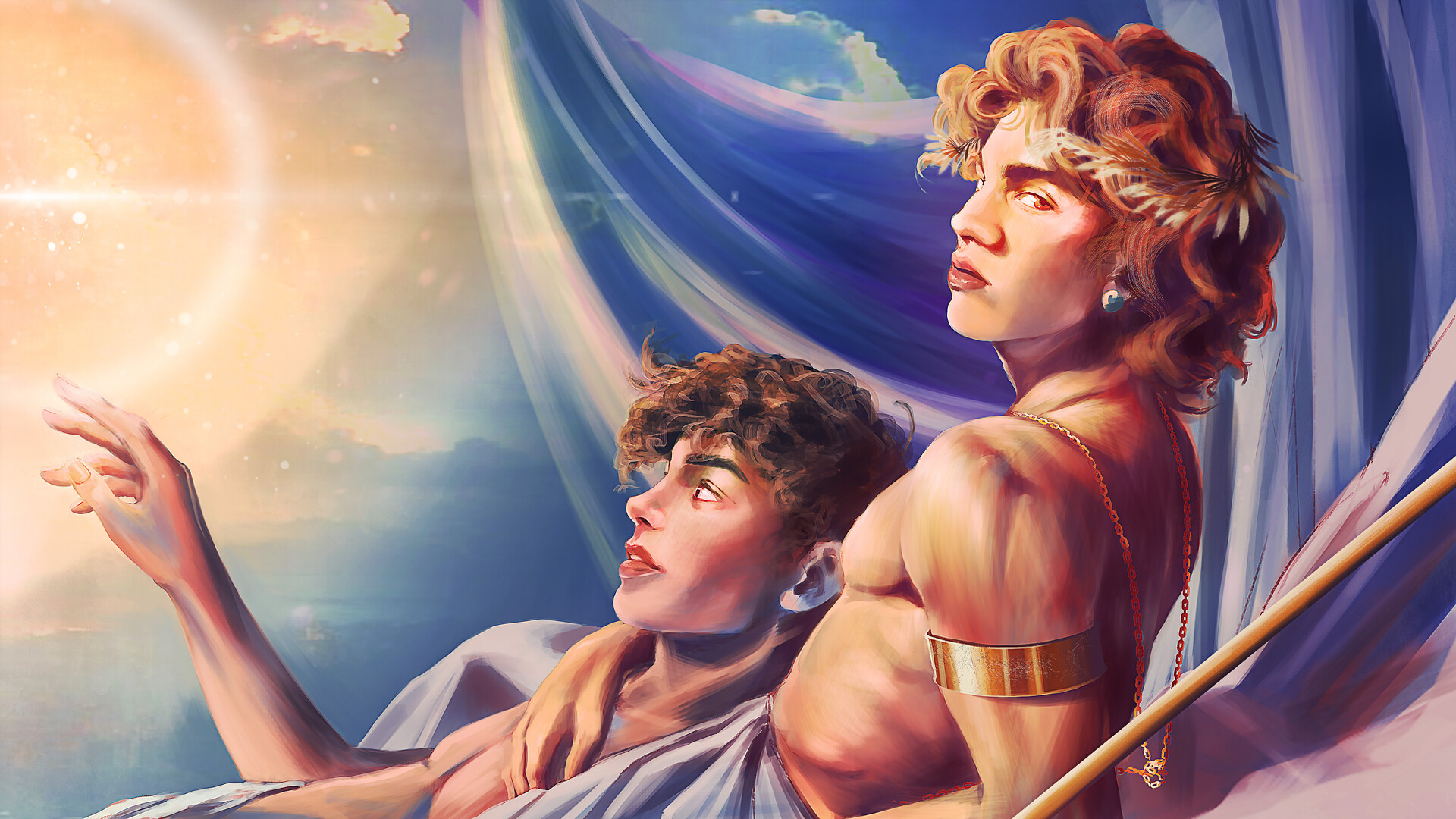
Q1: What is the primary classical source for the story of Apollo and Hyacinthus?
The most detailed classical account appears in Book X of Ovid's Metamorphoses, written around 8 CE. Earlier Greek poets and historians, including Euripides and Pausanias, recorded local Spartan traditions surrounding the prince's death and the Hyacinthia festival at Amyclae.
Q2: Why did Zephyrus divert the discus to kill Hyacinthus?
According to Hellenistic and Roman accounts, Zephyrus god of the west wind was also infatuated with Hyacinthus. When the Spartan prince rejected him in favor of Apollo, divine jealousy drove Zephyrus to blow Apollo’s discus off course, weaponizing the bronze plate to strike the boy down.
Q3: How does Hunger & Thirst Theatre's 'Discus' adapt the original myth?
Staged at A.R.T./New York Theatres in 2022, Discus strips the myth of its romanticized pastoral veneer. The play uses intense physical theatre to examine the toxic dynamics, athletic rivalry, and psychological fallout among Apollo, Hyacinthus, and Zephyrus, presenting the tragedy as a grounded character study.