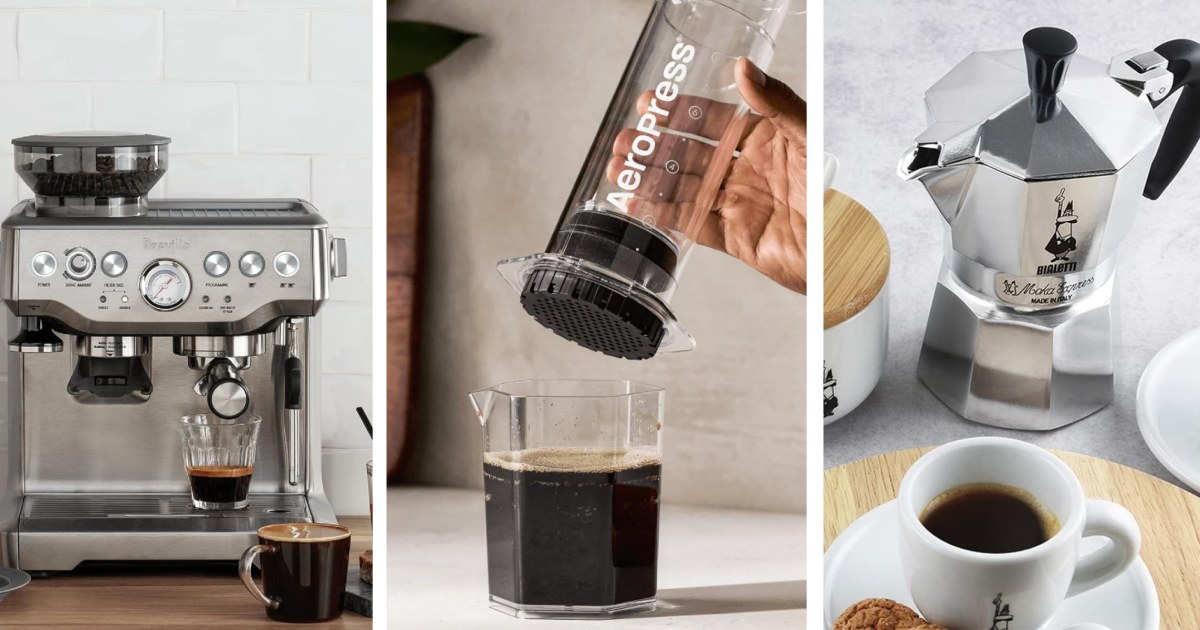
Espresso extraction operates on basic fluid dynamics. Water heated between 195°F and 205°F is forced through a compressed puck of finely ground coffee inside a portafilter. The target is an extraction yield between 18% and 22% of soluble coffee compounds. Push below 18%, and the cup tastes sour and astringent; climb beyond 22%, and bitter, dry tannins dominate the palate.
Cheap appliances struggle because their internal pumps deliver unstable flow rates. Packaging on an inexpensive budget espresso maker frequently boasts "15-bar" or "20-bar" pumps as selling points. In specialty coffee extraction, this marketing metric works in reverse. Optimum extraction occurs at roughly 9 bars of pressure at the puck face. Forcing 15 bars of unmanaged pressure through finely ground coffee fractures the puck, boring channels through the grounds. Water rushes through these cracks, under-extracting the packed coffee while burning the channel walls.
Premium semi-automatic espresso machine designs manage this variable using an overpressure valve (OPV) tuned strictly to 9 bars. More importantly, they implement gentle pre-infusion, wetting the bed of coffee at low pressure (1 to 3 bars) for several seconds before ramping up to peak extraction pressure bars. This initial stage expands the coffee bed uniformly, sealing minor fissures before full force is applied.