
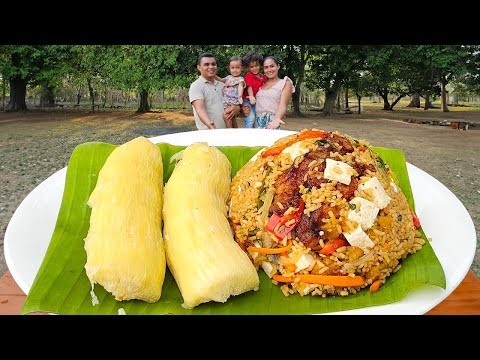
Arroz trifásico originated far outside urban commercial kitchens. In regional departments across Colombia, particularly throughout Antioquia, the Caribbean plains, and the central Andean belt, Sunday family gatherings required dishes that could satisfy dozens of guests without demanding individual pan service. Cooks leaned on traditional family-style platters built around what the farm produced: yard birds, fresh pork cuts, and cured sausages.
The dish quickly became known as arroz especial campesino. Cooking it over wood-fired open hearths yielded a smoky profile and an intense layer of socarrón, the prized crispy rice crust at the bottom of the pot. When home cooks migrated into cities and launched eateries, the recipe adapted to commercial gas burners. The core standard never shifted: every true trifásico must feature three distinct meats, each cooked to yield its natural fat into the grains.
In recent years, Latin takeout and delivery apps have expanded visibility for regional specialties. Diners looking beyond empanadas and bandeja paisa have driven a surge in searches for authentic Colombian restaurants serving proper three-meat calderos. Yet many takeout operations blur the lines between standard yellow rice and true trifásico, creating confusion for newcomers.


