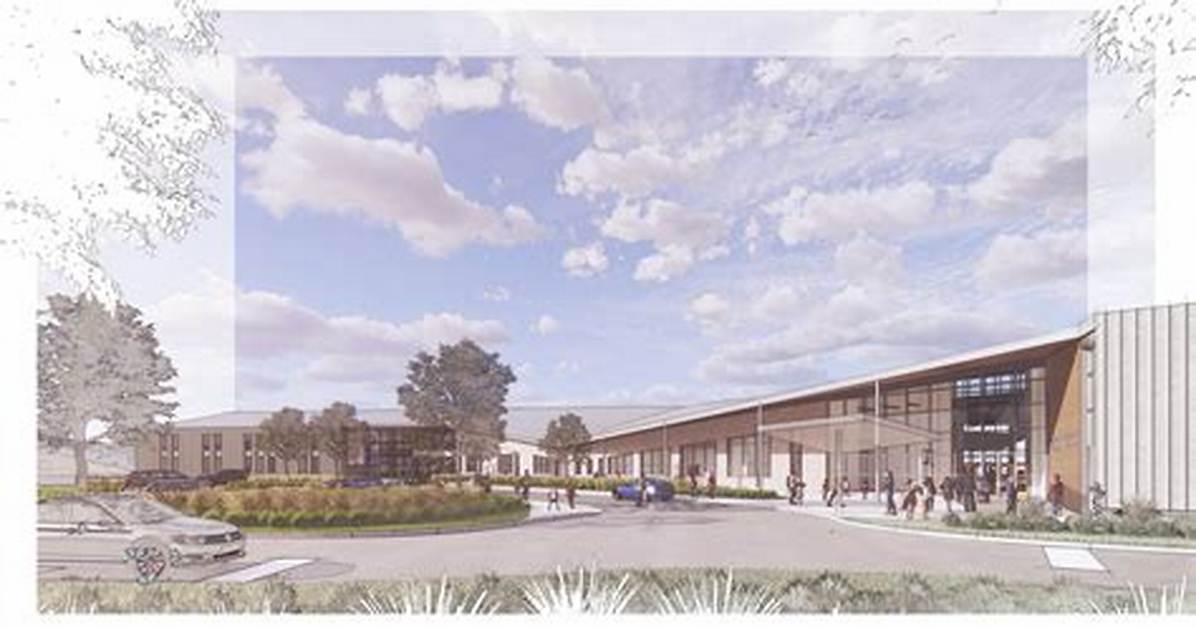
No single facility issue has stirred more community debate than the prolonged closure of the middle school pool. For decades, the pool served dual purposes: physical education classes during school hours and community swim sessions, youth lessons, and senior water aerobics in the evenings. It was a civic touchstone.
Operating an aquatic facility within an educational footprint requires significant financial overhead. Air handling inside an indoor pool must exchange massive volumes of chlorinated, humid air to prevent mold, structural rust, and toxic air pockets. When those mechanical systems fail, replacement costs quickly climb into six figures. If the basin itself suffers structural settling or plumbing ruptures under the concrete deck, costs escalate further.
Local boards face an unyielding arithmetic. Spending roughly $500,000 to $1.2 million to rehabilitate a non-mandated swimming pool means diverting those funds from roof replacements, bus fleet maintenance, or direct instructional staffing. While community members miss the facility, the board’s fiduciary obligation to basic instruction keeps the pool dry until dedicated auxiliary grants or municipal partnerships materialize.