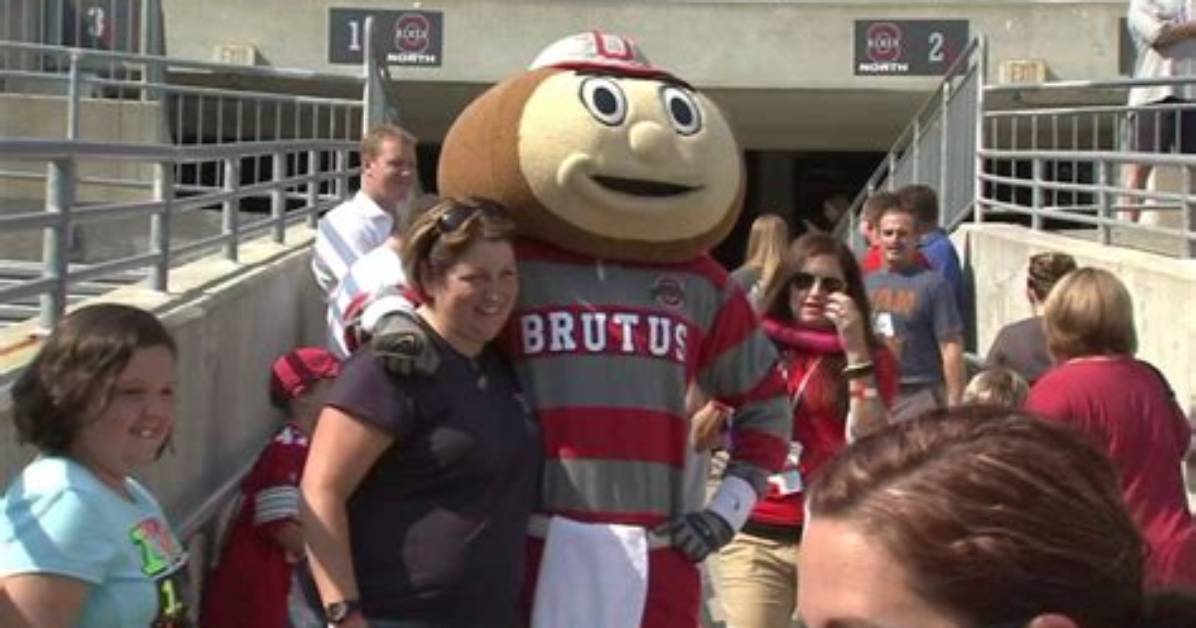
The physical demands placed on Ohio State mascot performers shifted dramatically over six decades. When students Sally Lanyon and Ray Bourgeois constructed the original Brutus in 1965, they used papier-mâché, chicken wire, and a mountain of newspaper. The initial head weighed roughly 40 pounds, rested awkwardly on the performer's shoulders, and severely restricted breathing.
The historical evolution of the costume highlights how physical vulnerability transitioned into modern athletic preparation:
| Era | Headpiece Construction | Primary Safety Risk | Spirit Program Structure |
|---|---|---|---|
| 1965, 1974 | Papier-mâché, chicken wire, then fiberglass (heavy) | Neck compression, blunt impact, zero ventilation | Single volunteer per season; informal oversight |
| 1975, 1999 | Molded plastic and dense foam core | Extreme heat exhaustion, severely limited peripheral view | Two to three students; basic athletic training access |
| 2000, 2026 | Aero-grade molded foam, cooling harness, harness support | Sideline collisions, rapid core temperature spikes | Rotational roster of four to six varsity student-athletes |
As documented by reporting from 10TV and The Lantern during the Brutus 60th anniversary celebration in late 2025, the position transitioned into a fully fledged varsity athletic discipline. In the 1960s, a solitary student wore the costume for entire four-hour contests in sweltering September heat. Today, a rotating roster of four to six students shares the duties across football games, Olympic sports events, and charity appearances.