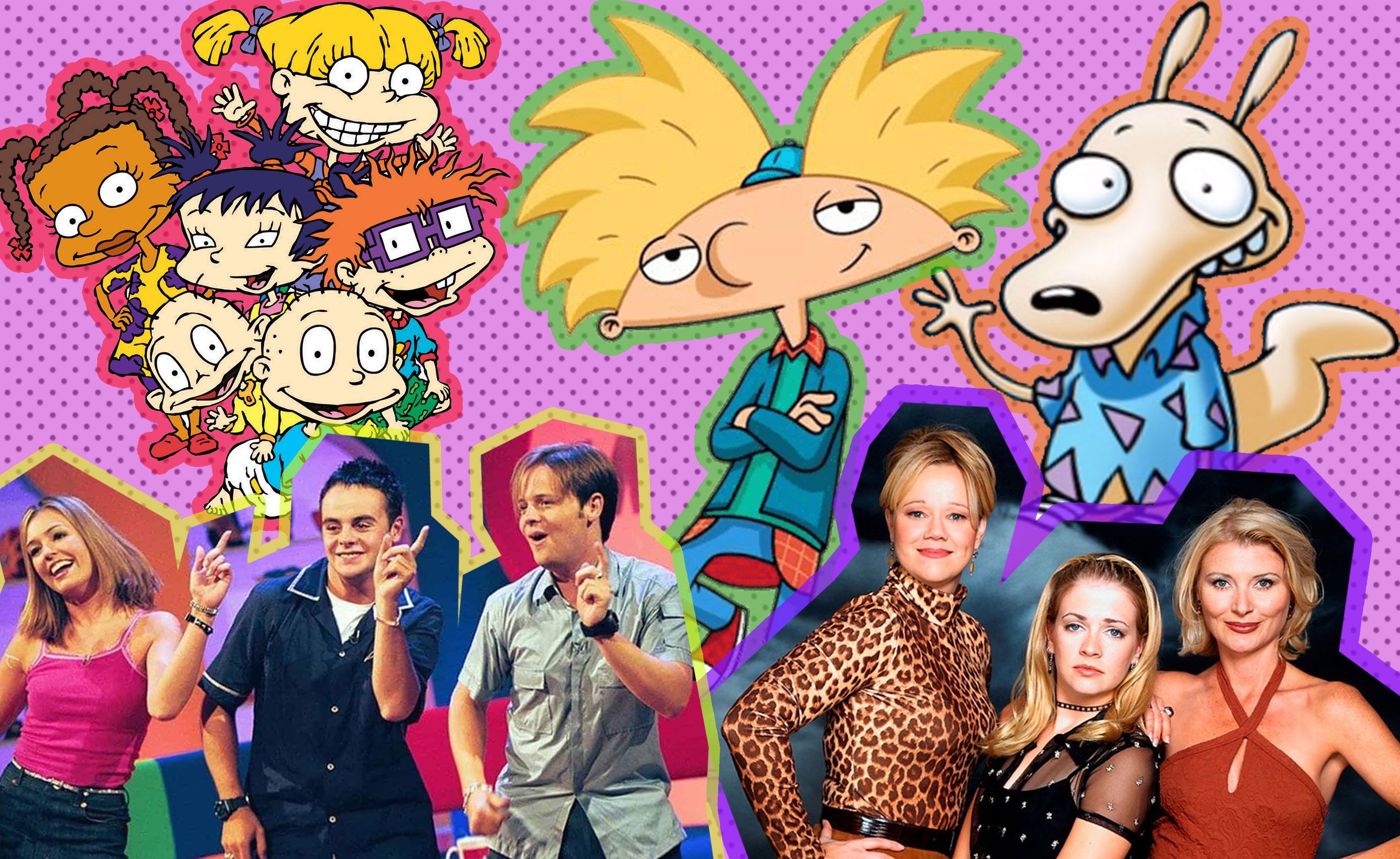
The online conversation often lapses into an uncritical idealization of the late twentieth century. In its retrospective ranking of forgotten 1990s series, Entertainment Weekly documented the extraordinary diversity of the decade's public broadcasting slate, but the era had its own flaws. Not all 1990s kids shows support healthy child development.
Commercial Saturday morning cartoons produced outside the public-service sphere were frequently built around high-stress pacing and commercial tie-ins. Series like Mighty Morphin Power Rangers or late-era syndicated superhero shows contained rapid cuts, loud sound effects, and physical conflict explicitly designed to sell plastic toys. Exchanging modern computer animation for high-octane vintage commercial action solves neither sensory overload nor screen-dependency issues.
The genuine developmental benefits observed today stem from a specific category: non-commercial, researcher-backed educational television. Programs created under academic oversight prioritized narrative continuity, social-emotional resolution, and attention span development. Parents who simply queue up unfiltered 1990s archives without screening for volume, pacing, and thematic conflict often recreate the exact behavioral issues they are trying to fix.