Shoppers searching for Costco flowers typically fall into two distinct camps. The indoor floral department caters to high-volume cut stems: 50-stem Ecuadorian roses for $44.99, mixed bridal arrangements, and seasonal floral centerpieces sourced predominantly from certified commercial greenhouses in Colombia and Ecuador. These cut stems move through cold-chain distribution hubs under United States Department of Agriculture (USDA) Animal and Plant Health Inspection Service monitoring, specifically treated to prevent live pests from entering commercial domestic ecosystems.
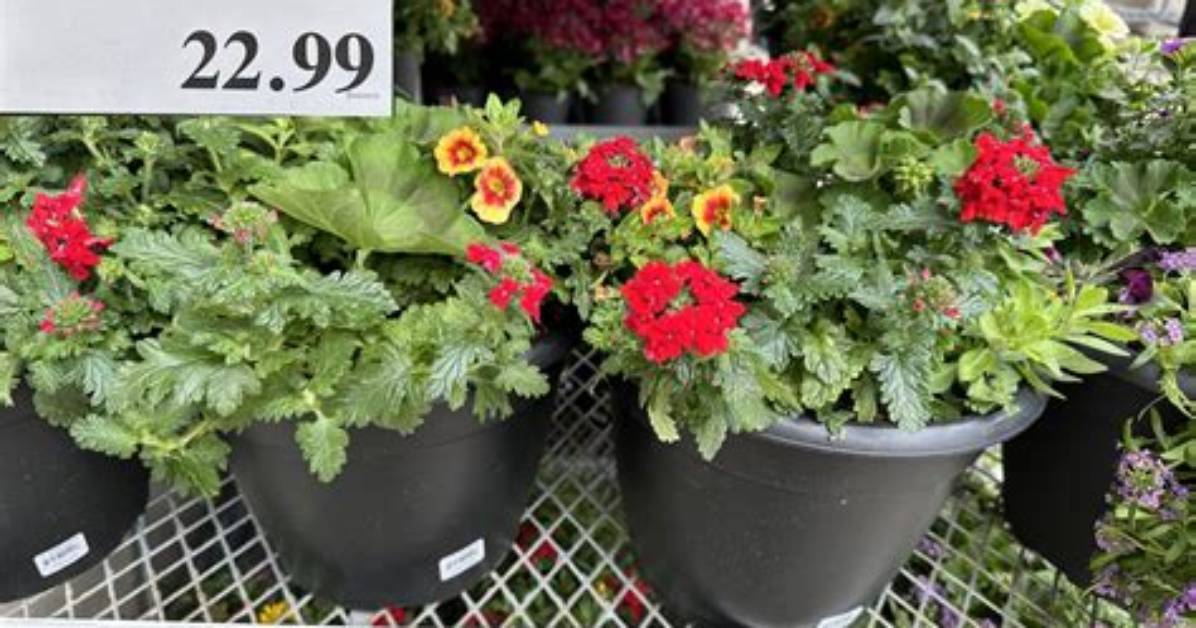
Step outside onto the seasonal warehouse garden patio, however, and the supply chain changes completely. Live nursery stock, ranging from five-gallon fruit trees to potted desert willow plants, is sourced from regional commercial nurseries. These wholesale growers operate within specific climate zones, shipping containerized root systems and leafy canopies directly to big-box loading docks.
When high-turnover retail environments sell live wood, vector management becomes far more complex. While cut flowers dry out and die within a fortnight inside a living room vase, potted garden perennials take root in residential yards. If an infested nursery pot sits near a vineyard belt or citrus grove, a minor nursery slip can quickly escalate into a widespread regional infestation.