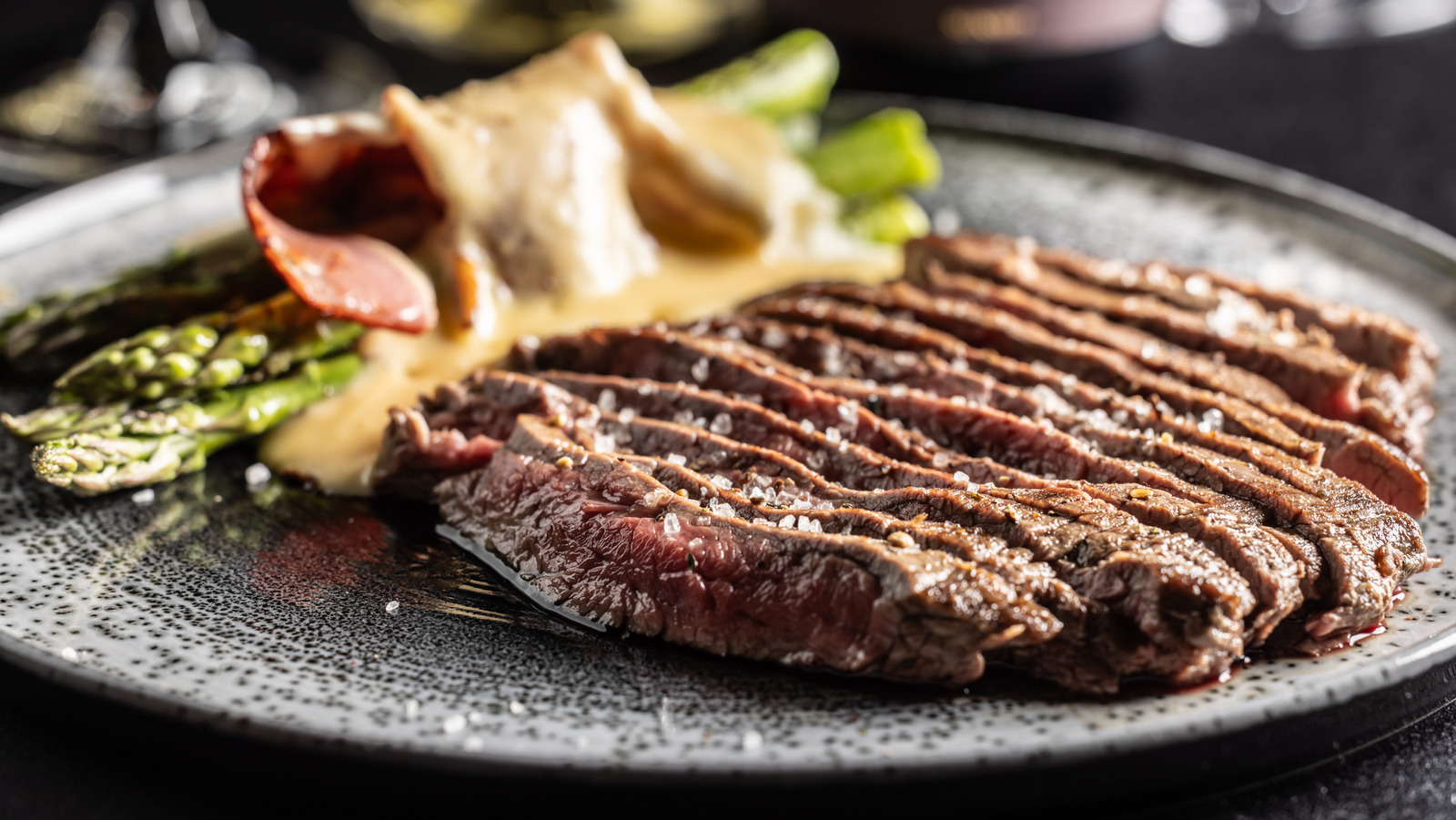
Unbalanced liquid mixtures frequently ruin expensive cuts during peak grilling season recipes. The most common pitfall involves introducing too much acid, producing an acrid crust that turns grey upon contact with heat.
An optimal soy sauce acid ratio balances three parts oil, two parts savory liquid (soy or Worcestershire), and one part acid. For example, whisking 3 tablespoons of extra-virgin olive oil with 2 tablespoons of tamari or low-sodium soy sauce and 1 tablespoon of balsamic vinegar yields roughly 1/3 cup of liquid, sufficient to coat 1.5 pounds of skirt or flank steak.
Classic 3-Ingredient Ratio:
[Oil Binder] 3 Parts (e.g., Olive Oil)
[Savory Salt] 2 Parts (e.g., Soy Sauce or Worcestershire)
[Acid Base] 1 Part (e.g., Balsamic, Lemon, or Red Wine Vinegar)
Adhering to strict marinating time limits prevents the outer layer from developing a stringy, mushy texture. Skirt steak, with its open fiber structure, should remain submerged for no longer than two hours. Flank steak handles up to four hours. Leaving thin cuts submerged in acidic marinades for 12 to 24 hours causes acid denaturing to progress too far, turning surface fibers pulpy.
Before placing marinated beef on a blistering grill, dry the surface thoroughly with paper towels. Water boils at 212°F, while Maillard browning occurs above 300°F. Excess moisture on the steak surface prevents browning, steaming the meat instead of developing a crisp, savory crust.