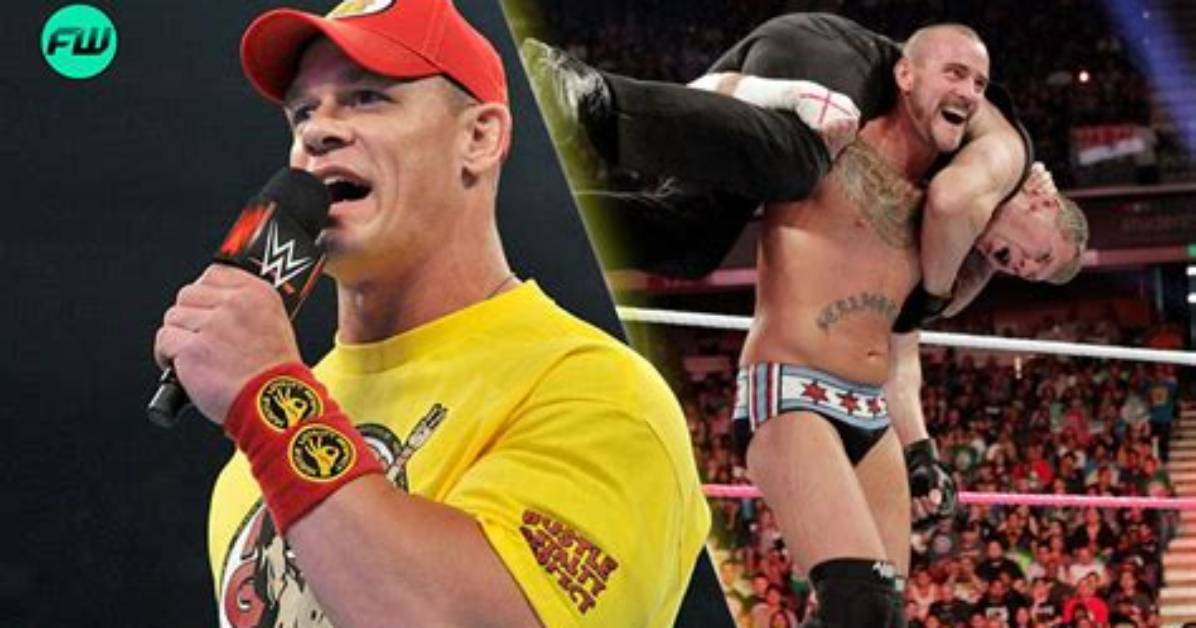
Did Cena defend McMahon’s alleged actions, or did he separate the human connection from the criminal claims? A forensic look at his answers across multiple media appearances reveals a consistent distinction that many online commentators overlooked.
Cena has never claimed that the allegations against McMahon are fabricated. He has never argued that the actions detailed in the Janel Grant civil complaint were acceptable or excusable. Instead, Cena operates from a mindset of absolute personal allegiance. McMahon discovered Cena in 2002, elevated him to the undisputed face of WWE by 2005, and protected his position at the summit of the industry for fifteen consecutive years. Cena has frequently referred to McMahon as a surrogate father, mentor, and business architect.
When Cena says "it's OK to love somebody," he is answering an existential question about interpersonal attachment. He contends that loving a mentor who did catastrophic things does not mean endorsing the catastrophe. However, public relations analysts note that language matters profoundly. Characterizing grave civil and criminal accusations as someone "not being perfect" functions as a rhetorical minimize. It equates systemic abuse with ordinary human fallibility, creating justifiable anger among victims of workplace harassment.