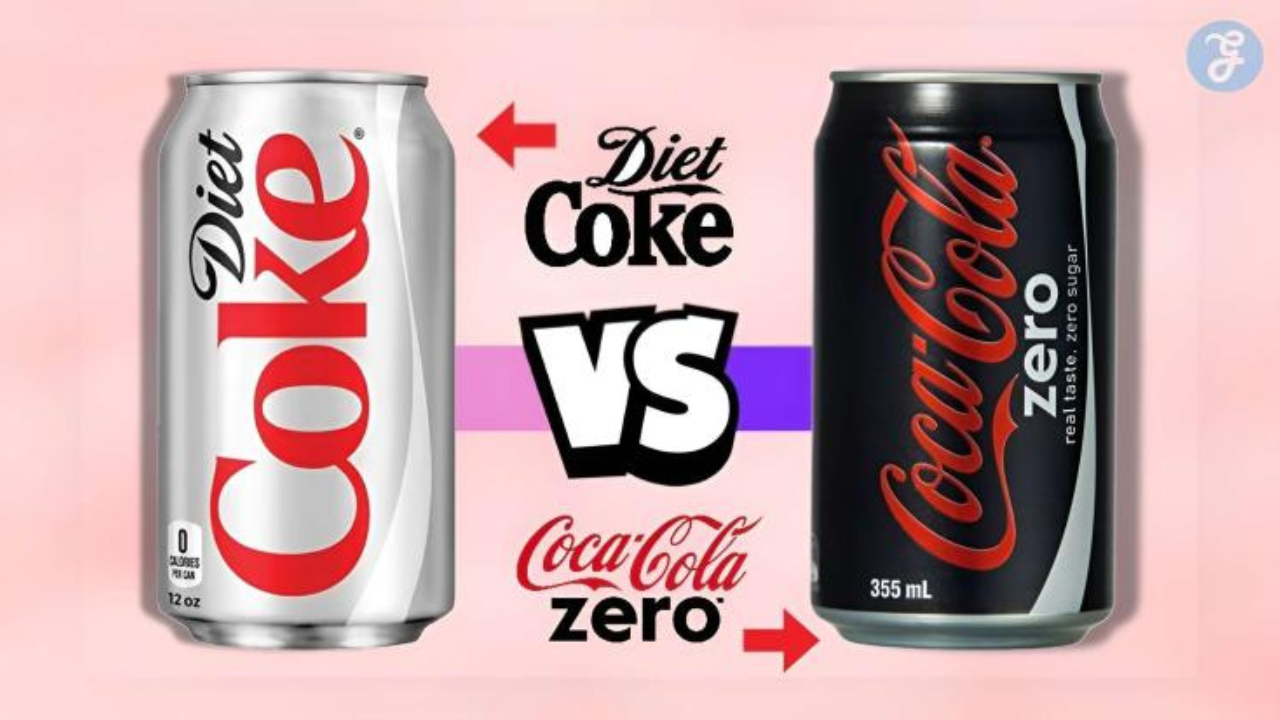
Q1: Does the Ace-K in Coke Zero cause health issues compared to Diet Coke?
A1: Major regulatory agencies, including the US Food and Drug Administration (FDA) and the European Food Safety Authority (EFSA), consider acesulfame potassium safe within established Acceptable Daily Intake (ADI) levels. An adult would need to consume more than 20 cans daily to approach the conservative safety boundaries established in clinical toxicological evaluations.
Q2: Will switching from full-sugar Coke to Diet Coke or Coke Zero guarantee weight loss?
A2: Switching removes roughly 140 calories and 39 grams of added sugar per can. If those calories are not replaced by other food sources, weight loss occurs naturally. However, if individuals compensate by eating larger meals under the belief that they "saved calories," weight loss stalls. Total caloric balance remains the governing factor.
Q3: Does Coke Zero or Diet Coke disrupt the human gut microbiome?
A3: Current clinical evidence in healthy humans remains inconclusive. While certain rodent studies using extremely high sweetener concentrations showed shifts in gut bacteria, randomized human trials have not demonstrated significant, adverse metabolic disruptions at realistic consumer doses. Mild gastrointestinal discomfort is usually driven by high carbonation or individual sensitivity rather than microbiome damage.