
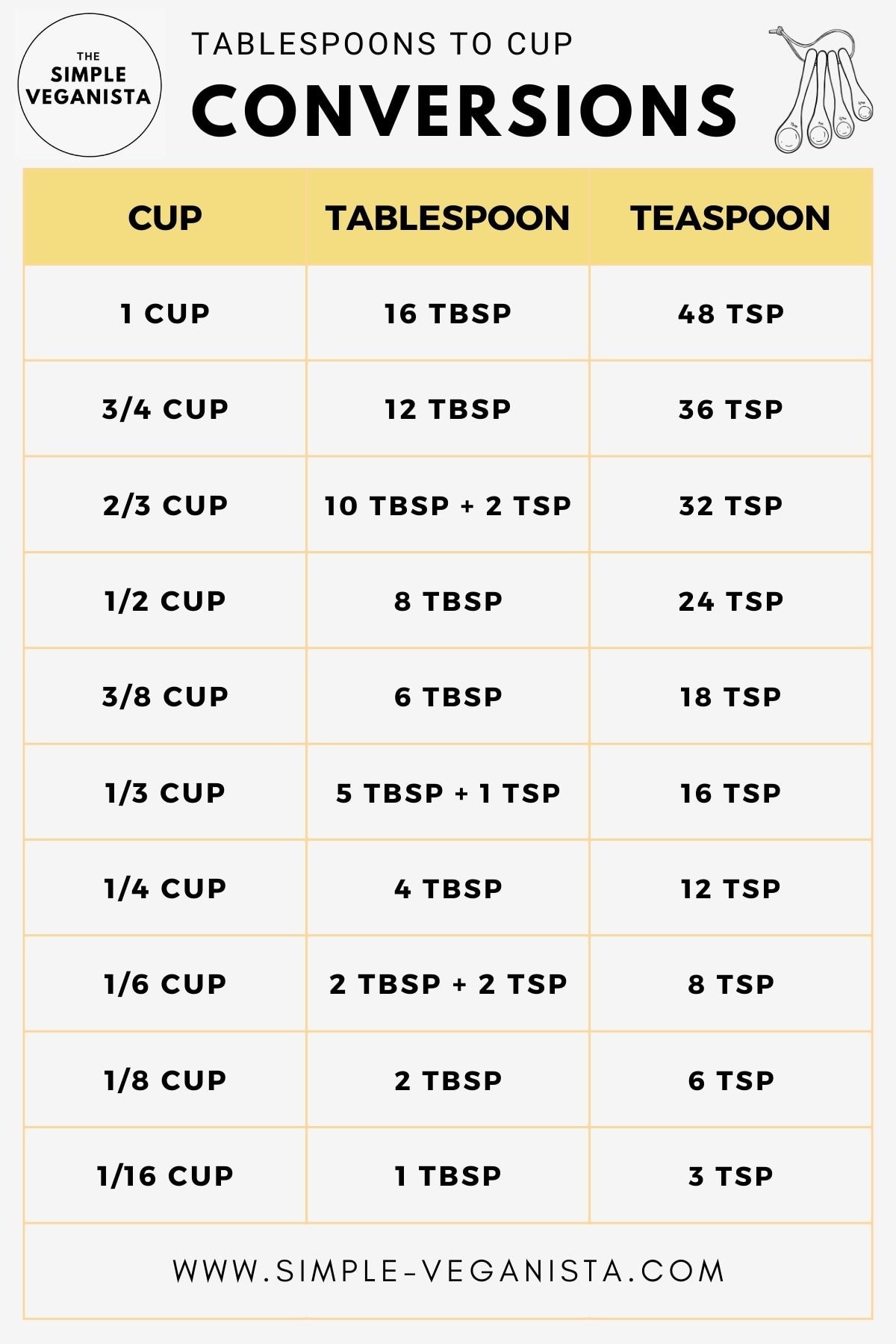
International culinary publishing causes silent failure in modern kitchens. Digital recipes cross borders seamlessly, but culinary hardware remains regionally stubborn. A tablespoon in Sydney does not equal a tablespoon in Chicago.
The United States operates primarily on the US Customary cup (236.59 mL), though the Food and Drug Administration mandates a rounded 240 mL "legal cup" for commercial nutrition labeling. The Commonwealth metric cup, ubiquitous in the United Kingdom, Canada, and New Zealand, standardizes at 250 mL with a 15 mL tablespoon. Australia diverges further: while retaining the 250 mL metric cup, the Australian standard tablespoon holds 20 mL, comprising four 5 mL teaspoons instead of three.
| Measurement System | Full Cup Volume | Tablespoon Volume | Tbsp in 1/8 Cup |
|---|---|---|---|
| US Customary | 236.59 mL | 14.79 mL | 2.00 tbsp |
| US Legal (FDA Labeling) | 240.00 mL | 15.00 mL | 2.00 tbsp |
| Metric Cup (UK, Canada, NZ) | 250.00 mL | 15.00 mL | 2.08 tbsp |
| Australian Metric | 250.00 mL | 20.00 mL | 1.56 tbsp |
| Imperial (Traditional UK) | 284.13 mL | 17.76 mL | 2.00 tbsp |
When baking an Australian recipe in New York, measuring an eighth of a cup using two American tablespoons delivers roughly 30 mL of liquid against an intended target of 31.25 mL. While negligible in a hearty stew, that margin alters hydration levels in macarons or laminate pastry doughs.


