
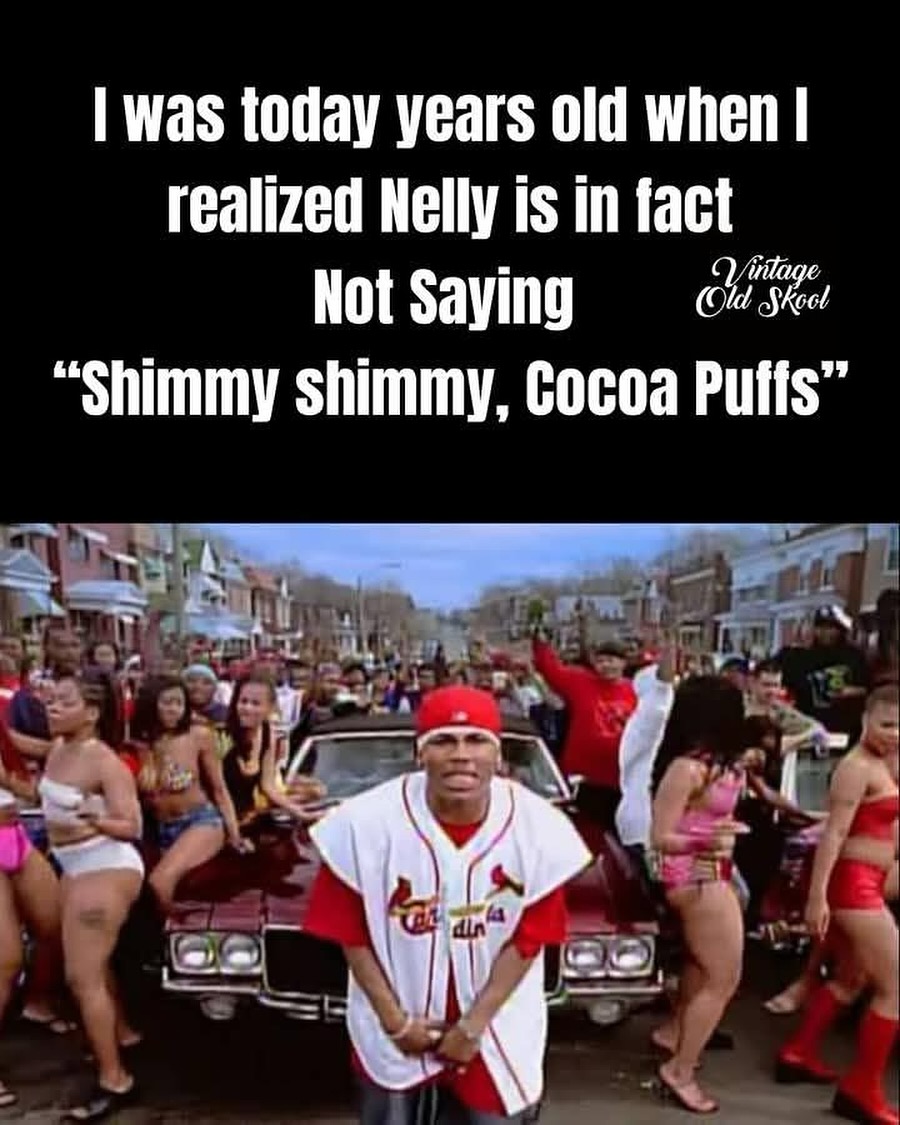
To pinpoint where "shimmy shimmy" entered the American vernacular, one must travel back decades before hip-hop existed. In November 1959, Little Anthony and the Imperials released "Shimmy, Shimmy, Ko-Ko-Bop," written by songwriter Bob Smith. The song peaked at number 24 on the Billboard Hot 100 in early 1960.
The record capitalized on the dance craze known simply as "the shimmy," a shaking dance step rooted in Black vaudeville and the Harlem Renaissance of the 1920s. Bob Smith strung together rhythmic nonsense vocables, "ko-ko-bop", to match the rapid hand-jive dances popular among teenagers at the dawn of rock and roll. The song's bouncy refrain settled directly into youth culture:
"Shimmy, shimmy, Ko-Ko-Bop, shimmy, shimmy, bop,
Shimmy, shimmy, Ko-Ko-Bop, shimmy, shimmy, bop."
Folklorists tracking urban children's folklore, including pioneering musicologist Bessie Jones, documented how Black youth frequently absorbed radio hits and folded them into jump-rope games. The phonetic bounce of "Ko-Ko-Bop" proved too catchy to remain trapped on vinyl. Children adopted the phrase, altered the vowel structures, and kept the rhythm alive on concrete schoolyards for the next forty years.

:max_bytes(150000):strip_icc()/taylor-frankie-paul-DAKOTA-MORTENSON-the-secret-lives-of-mormon-wives-091025-def795b463784aef94a6744ab27cb3ba.jpg)
