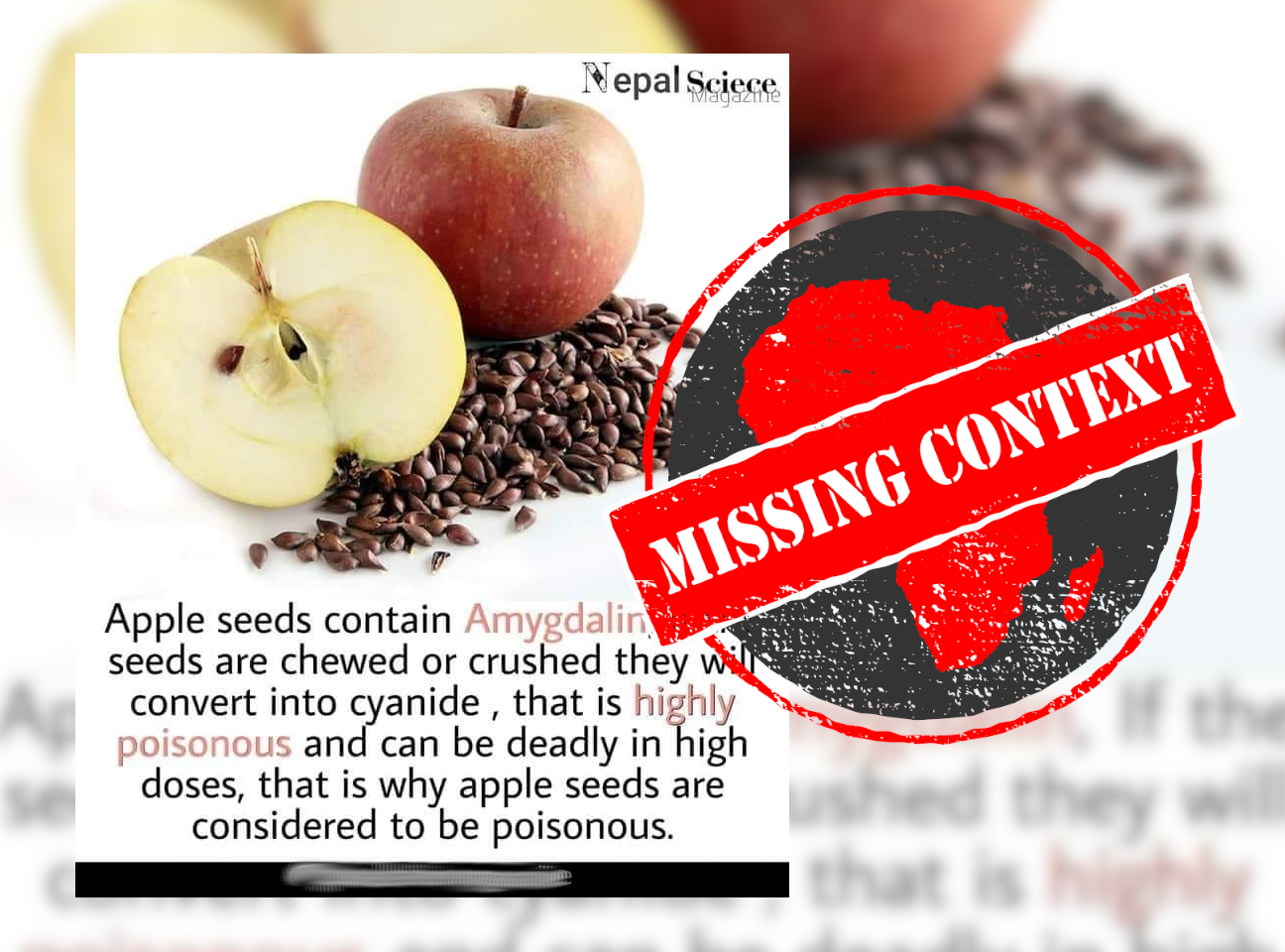
Accidentally swallowing apple seeds poses no physiological threat. The human gastrointestinal tract cannot dissolve the lignified, water-resistant seed coat of an intact pip. The seed travels through the stomach and intestines without exposing amygdalin to systemic juices, exiting the body entirely intact.
Trouble requires thorough mechanical destruction. Pulverizing seeds between your teeth or in a commercial blender breaches the seed wall, instantly exposing the inner cotyledons. Once liberated, digestive enzymes metabolize the amygdalin into benzaldehyde and hydrogen cyanide.
The human body possesses robust metabolic defenses against background cyanide exposure. The liver produces an enzyme called rhodanese, which transfers sulfur to cyanide molecules to create thiocyanate, a benign compound filtered out and eliminated through urine. When cyanide arrives in microscopic amounts, such as the traces produced by chewing two or three seeds, rhodanese clears the chemical quickly without taxing organs.