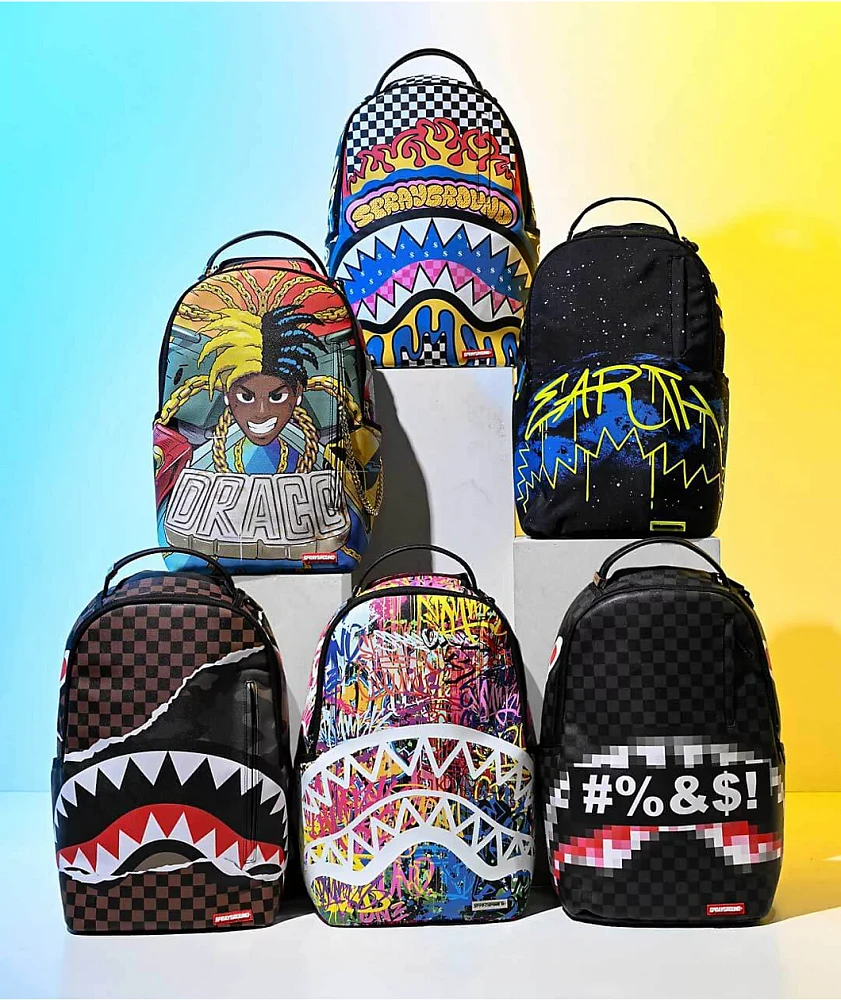
The confusion surrounding Toney’s bag stems from how rapidly commercial deals have blended into everyday teenage streetwear. Elite high school recruits regularly cycle through luxury luggage, designer cleats, and specialized athlete fashion accessories. Determining what represents a legal commercial venture versus individual flair comes down to contract mechanics and governing bylaws.
| Category | Commercial Structure | Typical Compensation | FHSAA / NCAA Compliance Impact |
|---|---|---|---|
| Contracted NIL Partnership | Direct legal agreement requiring deliverables, deliverables tracking, and disclosure | $5,000, $150,000+ depending on recruit reach | Must adhere strictly to state prep NIL laws; no school IP allowed |
| Product Seeding / PR Gifting | Unsolicited or agency-facilitated merchandise gifts without explicit performance terms | Free retail merchandise ($80, $300 value) | Permissible if no explicit pay-for-play or binding posting mandates exist |
| Personal Styling & Custom Work | Player-funded retail purchases customized by third-party independent artists | None (out-of-pocket cost: $100, $500) | Zero compliance conflict; fully protected personal expression |
Florida High School Athletic Association (FHSAA) bylaws ratified commercial opportunities for prep athletes in June 2024, enabling students to monetize their name, image, and likeness without surrendering amateur status. Those rules carry severe guardrails. Athletes cannot display school logos, wear team uniforms during sponsor activations, or endorse prohibited industries like gambling or alcohol.
Carrying a retail bag into a stadium crosses none of those lines. It generates zero regulatory scrutiny precisely because no money changes hands. Social media algorithms, however, routinely confuse casual brand adoption with formal endorsement agreements.