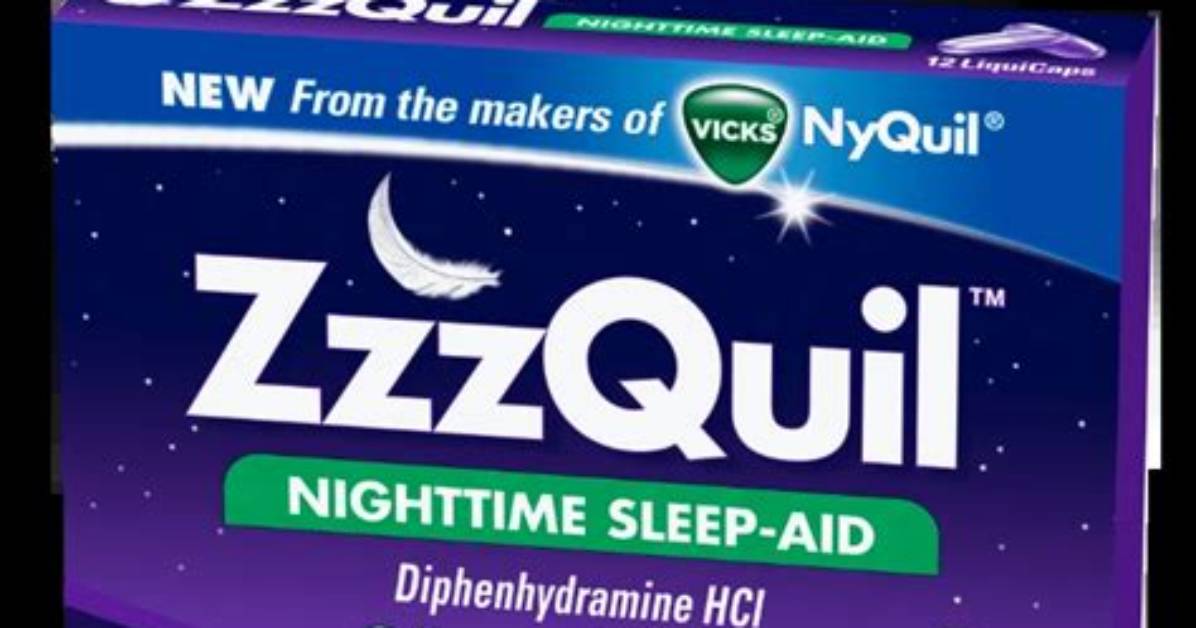
NyQuil does not make you sleepy by accident; the formulation is designed to induce drowsiness to help miserable, virus-stricken patients sleep through congestion and body aches. That sedative effect traces directly to a single compound: doxylamine succinate. This ingredient is a first-generation antihistamine engineered decades ago. Unlike modern, non-drowsy allergy drugs that operate strictly in peripheral body tissues, first-generation compounds cross the blood-brain barrier with ease.
Once inside the brain, doxylamine blocks central histamine H1 receptors. Histamine is one of the central nervous system’s primary wakefulness neurotransmitters, driving alertness, focus, and circadian drive. When doxylamine shuts down those receptor sites, central nervous system depression follows rapidly. Neuronal firing drops. Eyelids grow heavy. Motor control slows. In standard liquid formulations containing up to 10% alcohol by volume, this depressive effect amplifies further, creating a powerful sedative wave that mimics profound exhaustion.