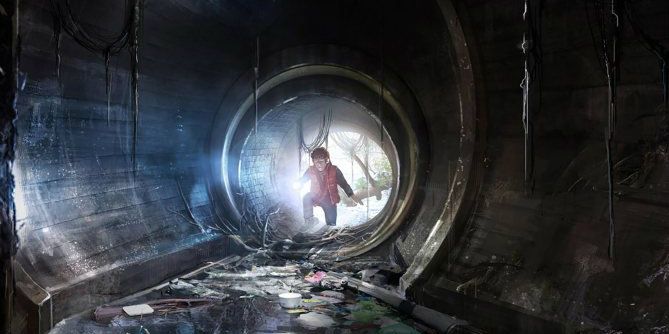
The critical firestorm sparked by the passage stems from the jarring collision between mythological allegory and literal juvenile sexuality. King repeatedly defended the thematic scaffolding of the chapter, asserting that he viewed the act through the lens of mythic archetypes rather than exploitation. In multiple interviews throughout the late 1990s and 2000s, King emphasized that he intended the act to represent the bridge between childhood intuition and adult power, a definitive passage out of youth that simultaneously rescued the group from supernatural paralysis.
Literary scholars often trace the influence of Carl Jung, Joseph Campbell, and 1960s countercultural philosophies on King’s mid-career writing. In ancient fertility rites and tribal passages, ritual intimacy frequently marked the boundary between innocence and social responsibility. King attempted to translate those ancient motifs into a blue-collar American horror story.
Readers and mainstream critics pushed back violently against that abstraction. By rendering the characters as eleven-year-olds in a hyper-realistic, gritty municipal sewer, the mythological metaphor collapsed under the weight of its disturbing literal imagery. King has candidly acknowledged that during the writing of It between 1981 and 1985, his severe alcoholism and cocaine addiction frequently pushed his narrative choices into unchecked territory. While he stood by the passage's symbolic logic, he recognized why it alienated general audiences.