
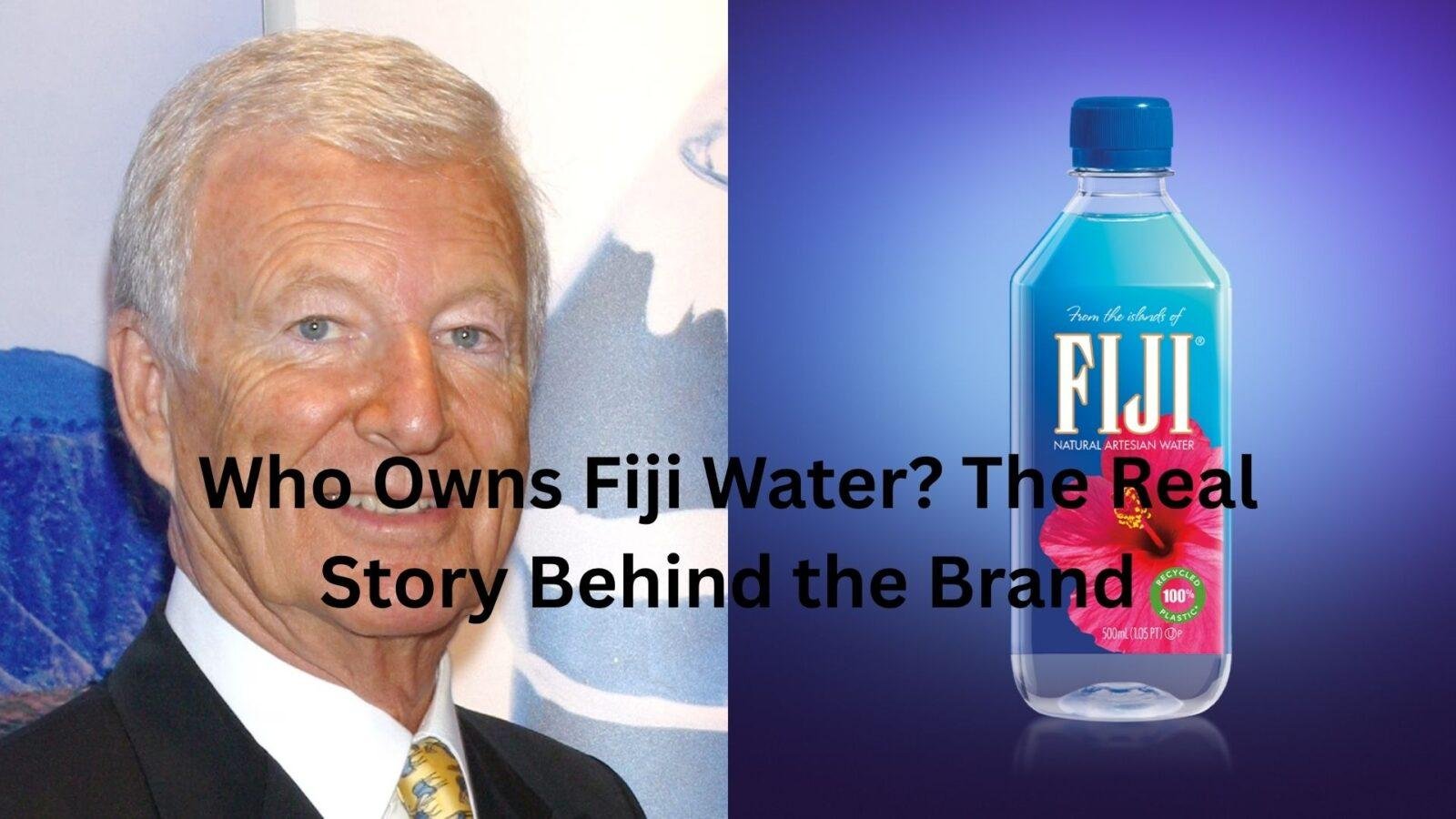
Despite Fiji Water's commercial success, the brand has faced persistent international scrutiny over environmental controversies and human rights disconnects. Investigative reporting by outlets including Mother Jones highlighted a sharp paradox: while pristine water flowed through automated, sterile pipelines into plastic bottles destined for American supermarkets, many rural Fijian villages surrounding the Viti Levu perimeter struggled with aging water infrastructure, inconsistent municipal supplies, and periodic waterborne illness outbreaks.
Transporting liquid across thousands of miles of ocean requires significant fossil fuel consumption. Every single bottle must be molded from polyethylene terephthalate (PET), filled using diesel-powered electricity in rural Fiji, loaded onto cargo ships, and transported across Pacific trade routes before entering ground shipping fleets across North America and Europe.
The Wonderful Company has spent substantial capital working to soften these reputational blows. The company established the Fiji Water Foundation, investing millions into clean water access projects for rural communities, funding educational scholarships, and preserving natural biodiversity corridors in the Sovi Basin. In recent packaging cycles, the company transitioned its primary 500 mL and 1-liter product lines in the United States to 100% recycled PET plastic (rPET), aiming to deflect growing consumer backlash against single-use plastics.
Yet within environmental and beverage circles, the tension remains palpable. Consumer discussions on platforms like Reddit's r/HydroHomies routinely critique the product's massive transport footprint, contrasting the luxury positioning of the bottle against the domestic developmental realities of the Pacific Island nation.


