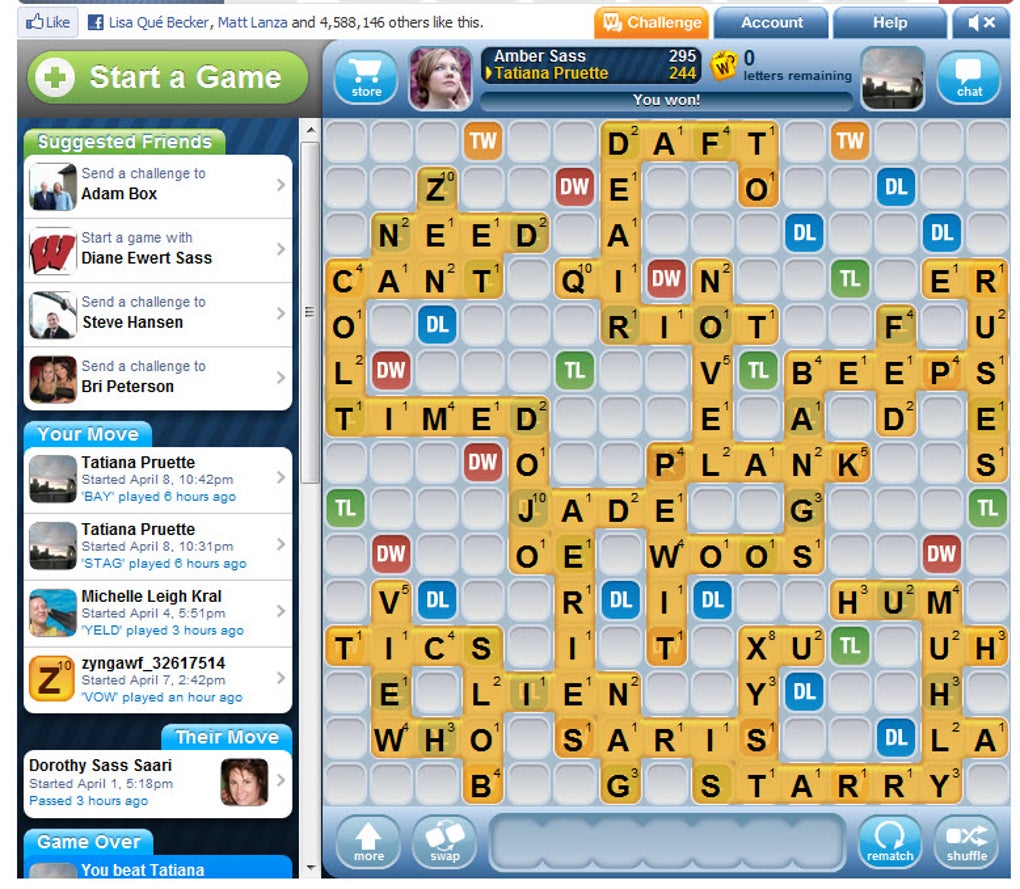
In high-level play, the central flaw of basic word-finding tools has always been their reckless treatment of the rack. A software tool designed solely around immediate yield will happily burn five vowels to squeeze out an extra four points.
Experienced players know that disciplined tile rack management wins close matches. Preserving clean tile distribution, specifically protecting the S, blank, and a balanced 3:4 vowel-to-consonant ratio, creates sustainable scoring across multiple rounds. A tool that recommends playing OOGONIA to claim 22 points while leaving the player with an awkward rack of U-U-I-V sets up a disaster for the following turn.
Turn Execution Decision Matrix:
┌───────────────────────┬──────────────────────┬────────────────────────┐
│ Tactical Objective │ Algorithmic Move │ Strategic Human Move │
├───────────────────────┼──────────────────────┼────────────────────────┤
│ Immediate Point Yield │ Maximum (e.g., 46 pts)│ Moderate (e.g., 32 pts)│
│ Multiplier Risk │ Leaves Triple Open │ Closes Vulnerable Hook │
│ Post-Turn Rack Leave │ Leaves Q, V, V │ Leaves C, E, R │
│ Net Two-Turn Equity │ Poor (-18 net delta) │ Strong (+14 net delta) │
└───────────────────────┴──────────────────────┴────────────────────────┘
The difference between amateur and elite play comes down to defensive awareness. Smart players study tile placement strategy to limit an opponent's options. They place parallel tiles that create clumsy two-letter words (QI, ZA, EX), and they deliberately starve the board of open vowels when they hold an edge. A simple anagram finder operates without this strategic context, viewing the game through a narrow, one-turn lens.