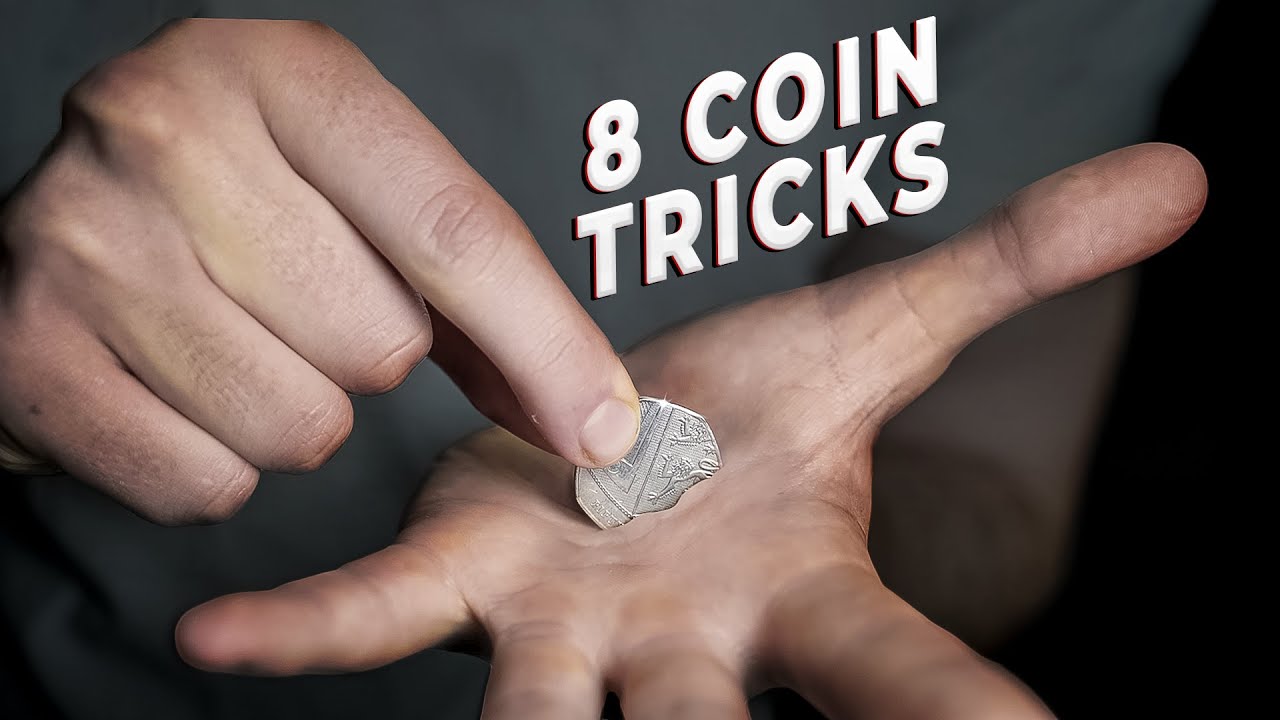
Amateur magicians often attempt tricks with standard pocket quarters or dimes, only to run into biological and visual roadblocks. Modern circulating coins are simply too small for effective audience visibility and lack the mass required for fluid sleight work. Professional performers almost universally standardize on two distinct platforms: the Kennedy half dollar and the Morgan silver dollar.
The clad Kennedy half dollar serves as the workhorse of close-up illusion. Measuring 30.6 millimeters in diameter with a weight of 11.34 grams, the half dollar fits the natural palm contours of average adult hands. It is large enough to be seen across a dinner table, inexpensive enough to buy by the roll from local banks, and immediately recognized by American spectators as legal currency.
For stage work and high-stakes close-up routines, vintage Morgan silver dollars (minted between 1878 and 1921) represent the undisputed gold standard. At 38.1 millimeters across, their visual footprint is unmistakable. More importantly, veteran performers seek out soft silver coins, specimens worn down through decades of circulation until their relief patterns are nearly flat.
Soft silver solves the coin worker's worst enemy: acoustic "talking." When two sharp, freshly minted clad coins touch during a secret transfer, they produce a bright metallic clinking sound that betrays their secret position. Worn 90% silver coins slide against one another in near silence, producing an imperceptible muffled glide instead of an audible metallic chime. Premium vintage sets are sorted by weight, diameter, and rim wear to ensure seamless nesting during multi-coin routines.