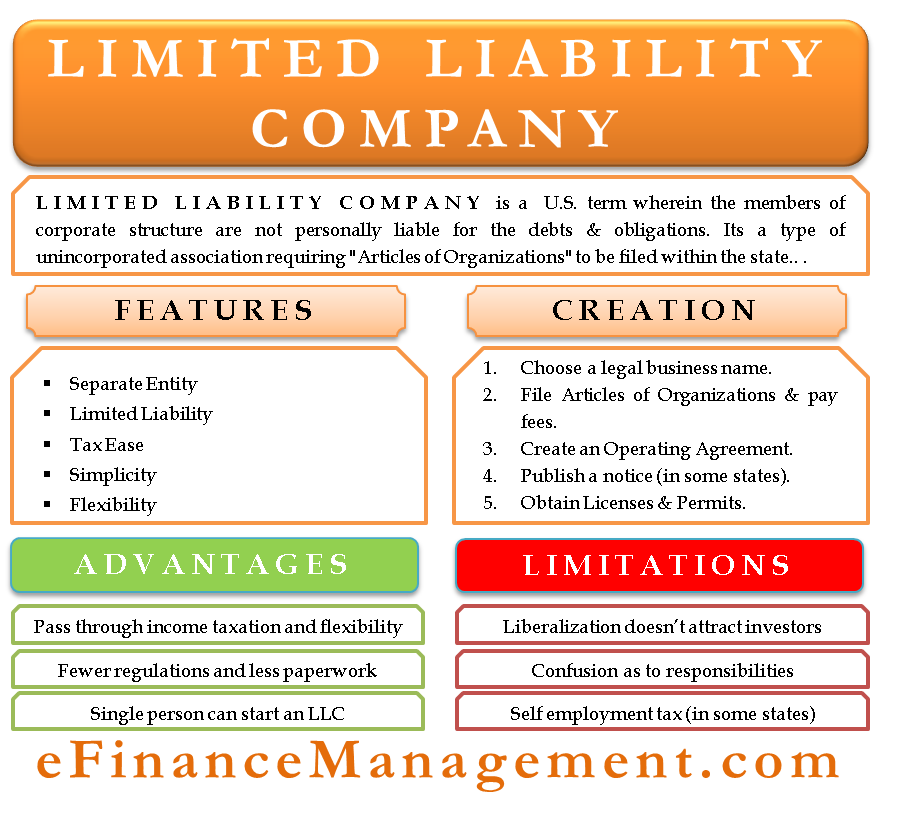
The LLC's popularity stems directly from how the Internal Revenue Service handles business income. A standard corporation pays corporate income tax on its annual profits. When those profits distribute to shareholders as dividends, the owners pay individual income taxes on the same revenue.
The LLC avoids this double taxation default. Under Treasury Regulations § 301.7701-3, a single-member LLC is treated by default as a disregarded entity. Profits and losses pass straight to the owner's individual Form 1040, preserving operational simplicity. Multi-member LLCs receive partnership tax classification under Subchapter K of the Internal Revenue Code, distributing income through Schedule K-1 forms without paying taxes at the corporate entity stage.
Founders retain strategic latitude. As revenue expands, an LLC can file IRS Form 2553 to be taxed as an S-Corporation. This election allows active owner-operators to split net revenue between a market-rate W-2 salary and pass-through distributions. This lowers self-employment tax liabilities under FICA without abandoning the flexible governance structure of an LLC.