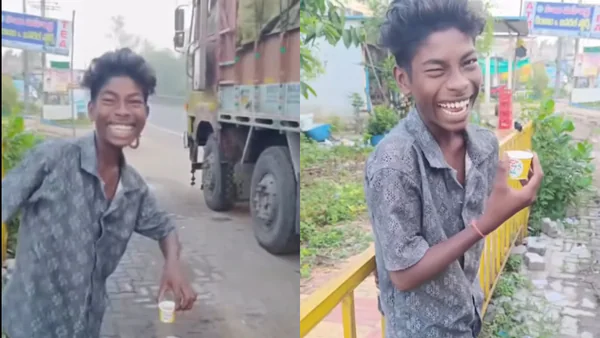
Digital platforms treat brief, expressive human reactions as free public domain material. When people search for popular formats or browse video archives for classic humor clips, they consume human emotion stripped of human context. The digital culture that celebrated Arun Kumar treated him as a digital sticker, completely indifferent to his legal age or life safety.
This dynamic mirrors dozens of historical cases where everyday working-class individuals turned into viral humor templates overnight:
Sammy Griner ("Success Kid") was fortunate enough to have parents who successfully converted his viral fame into a crowdfunding campaign that paid for his father's kidney transplant. Ghyslain Raza ("Star Wars Kid") suffered severe cyberbullying and required psychiatric care after a private recording was shared worldwide without consent. In Arun Kumar’s case, the detachment was geographic and economic. Western and urban viewers assumed the boy with the tea was an ordinary schoolchild captured on a family road trip. The brutal reality of underage labor was completely smoothed over by the warmth of his smile.
The attention economy extracts entertainment value from vulnerable communities without offering native pathways for compensation or protection. Platform ad revenue flows to aggregators and tech conglomerates. The subject of the meme remains stuck in the same pre-viral poverty unless a real person physically steps into their world.