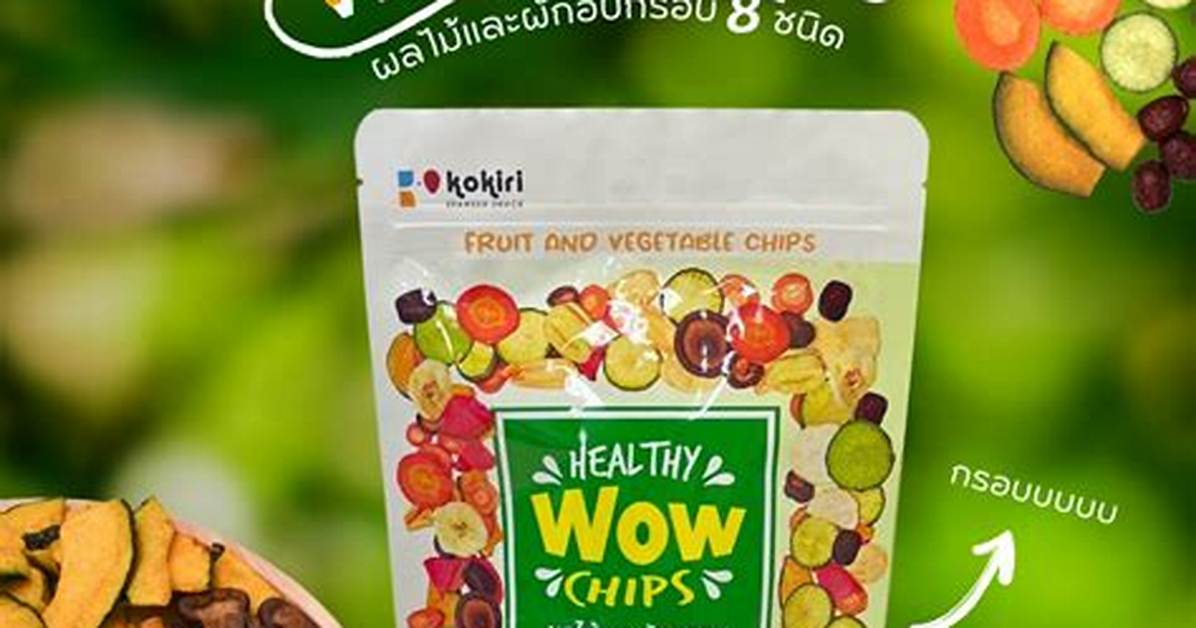
The snack sector now operates under intense clean label scrutiny. Shoppers routinely reject synthetic emulsifiers, modified corn starches, and artificial seasoning dusts. In response, brands use low-temperature vacuum dehydration to produce dehydrated kale chips and root vegetable crisps made from parsnip, taro, and beet slices.
Vacuum frying lowers atmospheric pressure inside the cooking kettle, allowing vegetable water to boil off at temperatures under 250°F (120°C) rather than the standard 350°F (177°C) used in industrial batch fryers. This thermal reduction limits the formation of acrylamides while preserving the vibrant cellular pigments of the vegetable. The resulting root vegetable crisps retain high cellular integrity without absorbing excessive cooking oil.
Similarly, single-serve portion control snack bags prevent mindless consumption. Sensory fatigue occurs slowly with salted carbohydrates; opening a standard family-sized bag dulls satiety signaling, leading to passive overconsumption. By restricting physical package volume to 100 to 140 calories, manufacturers hand over the self-regulation burden to packaging design, creating a boundary that raw willpower often fails to maintain during distracted snacking.