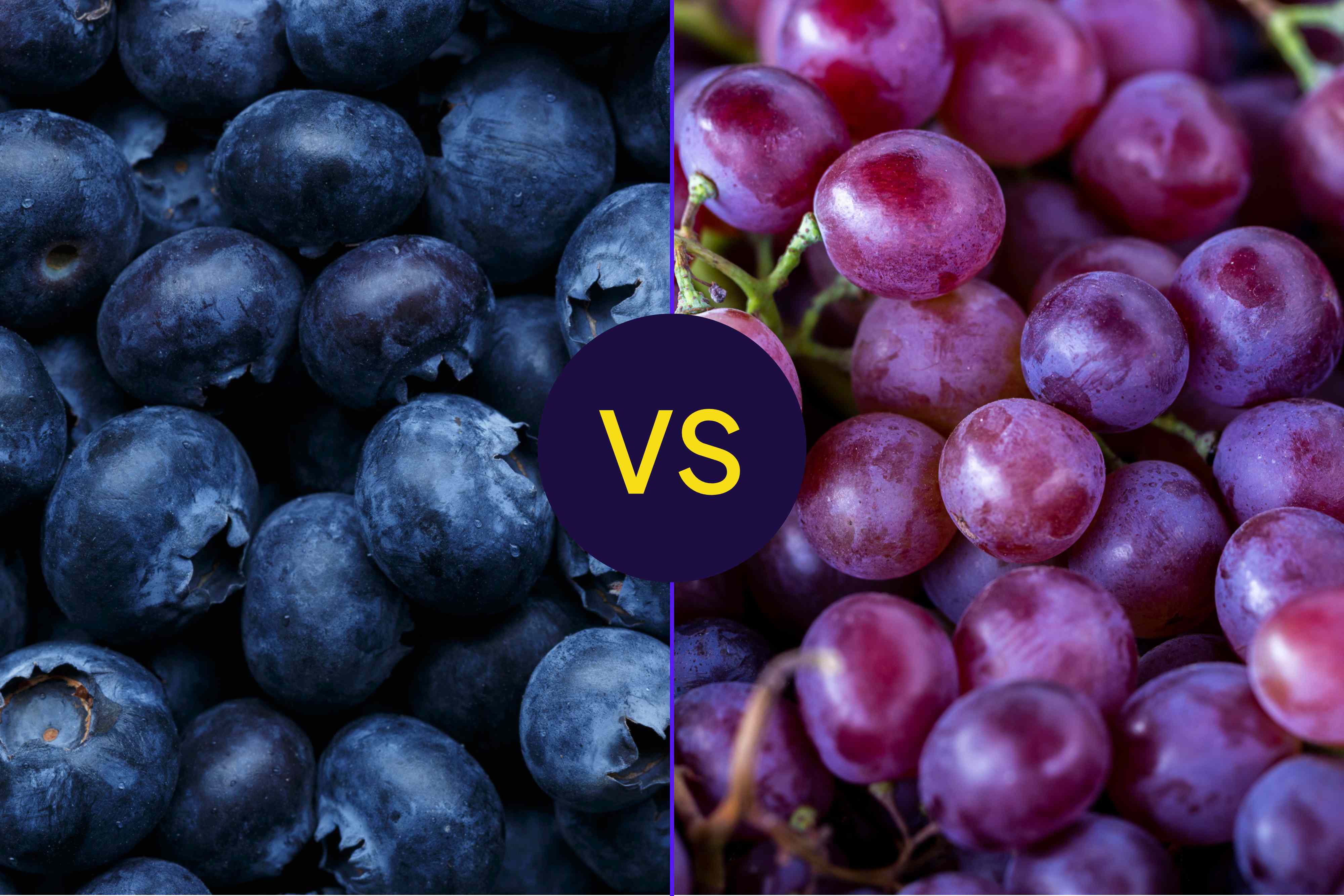
Establishing that grapes are botanical berries naturally invites comparison with blueberries (Vaccinium corymbosum), which share the same morphological status and occupy adjacent shelf space. Dietary evaluations show clear divergences in micro- and macronutrient profiles between a standard one-cup (approx. 150 grams) serving of raw seedless red or green grapes and an equal serving of fresh blueberries.
Dietary fiber content represents the starkest structural difference. Blueberries supply approximately 3.6 to 4.0 grams of dietary fiber per cup, combining soluble pectin with insoluble cellulose. Grapes deliver roughly 1.0 to 1.4 grams per cup. This three-to-one fiber ratio plays an outsized role in gastrointestinal transit time, short-chain fatty acid synthesis by gut bacteria, and satiety signaling.
The micronutrient ledger reveals further separation:
- Vitamin C: A cup of blueberries provides roughly 14 to 15 milligrams of ascorbic acid (roughly 16% of daily recommended intake), whereas grapes provide around 4 to 5 milligrams (under 5% of daily intake).
- Vitamin K: Blueberries deliver roughly 28 to 29 micrograms of phylloquinone, supporting blood coagulation pathways and osteocalcin carboxylation. Grapes contain roughly 22 to 23 micrograms, trailing slightly but remaining a respectable source.
- Sugars and Energy: Grapes register higher natural carbohydrate density, carrying approximately 23 grams of total sugar per cup, dominated by equal ratios of free glucose and fructose. Blueberries average roughly 15 grams of total sugar per cup.
While blueberries claim the statistical lead in baseline vitamin and fiber density, grapes offer distinct hydration advantages. Grapes consist of nearly 82% structured water by weight, pairing intracellular water content with trace potassium and organic acids that support electrolyte balance during physical exertion.