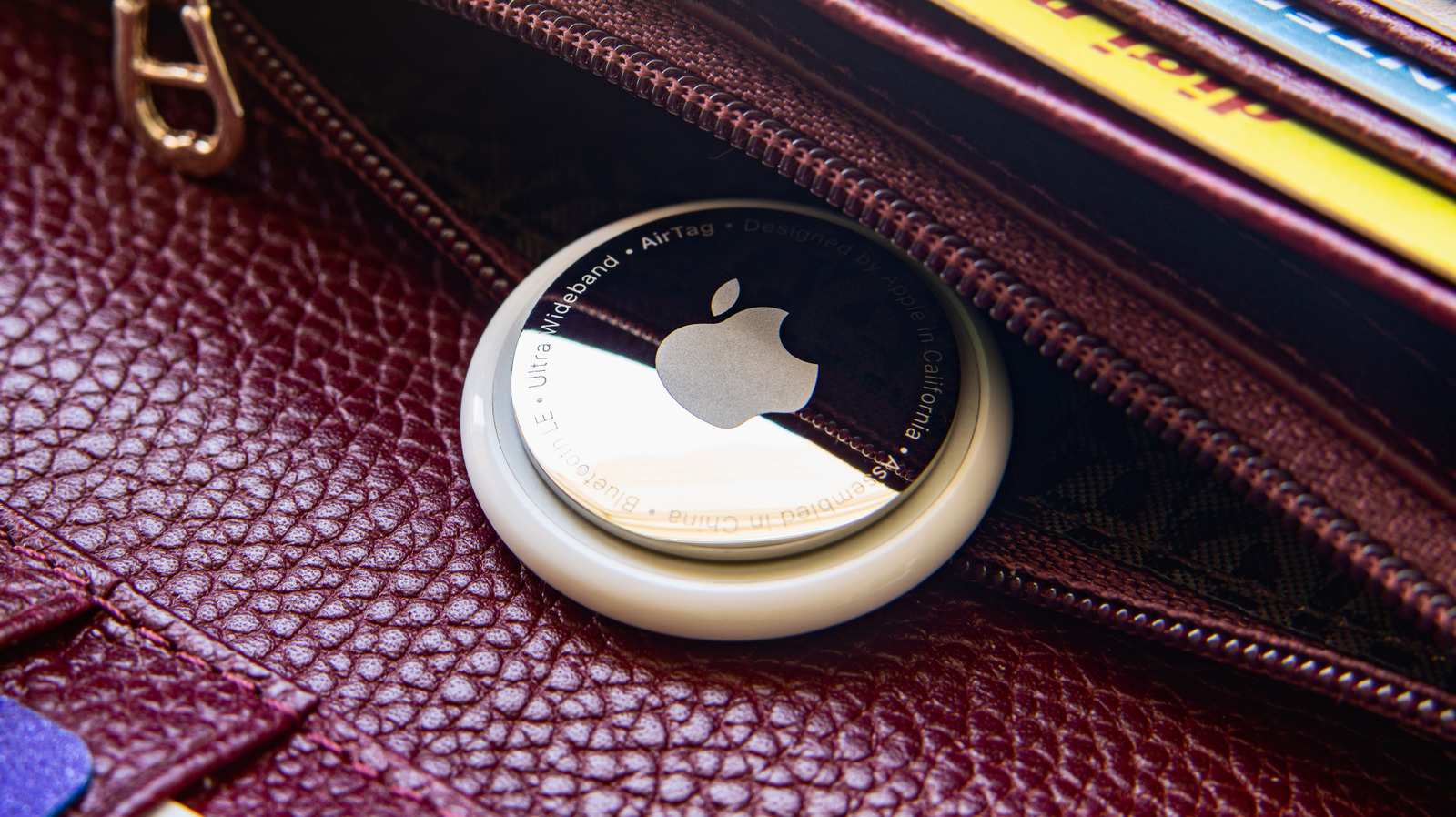
One of the most frequent consumer complaints logged across Apple support forums involves an AirTag that stays dead immediately after a battery swap. In almost every case, the cause is not a defective tracker, but a child-safety intervention known as the bitterant coating issue. Major battery manufacturers like Duracell coat their 2032-series coin cells with denatonium benzoate, an intensely bitter non-toxic chemical ringed around the negative terminal to deter infants from swallowing the shiny discs.
The AirTag's internal negative terminal relies on delicate surface-contact prongs that rest near the perimeter of the battery's underside. If a manufacturer applies the bittering agent directly over that contact area, the clear coating behaves as an electrical insulator, breaking the circuit entirely. Panasonic, Energizer, and basic store brands often ship CR2032 cells without bitterant coatings, making them plug-and-play compatible. If you already bought bitterant-treated packs, you can remove the transparent chemical film from the battery's textured negative surface by buffing it firmly with a cotton swab soaked in 90% isopropyl alcohol before installation.