For decades, American and British grocery carts treated canned sardines with outright suspicion, associating them with wartime rations or pungent cartoon gags. That cultural aversion began crumbling around 2022 when Iberian conservas culture caught fire across social video platforms, demystifying preserved seafood for a younger generation of home cooks. By 2025, online culinary hubs like the 90,000-member Reddit community r/CannedSardines were actively trading skillet ratios, trading tips on how to balance fish oil with farm-fresh yolks.
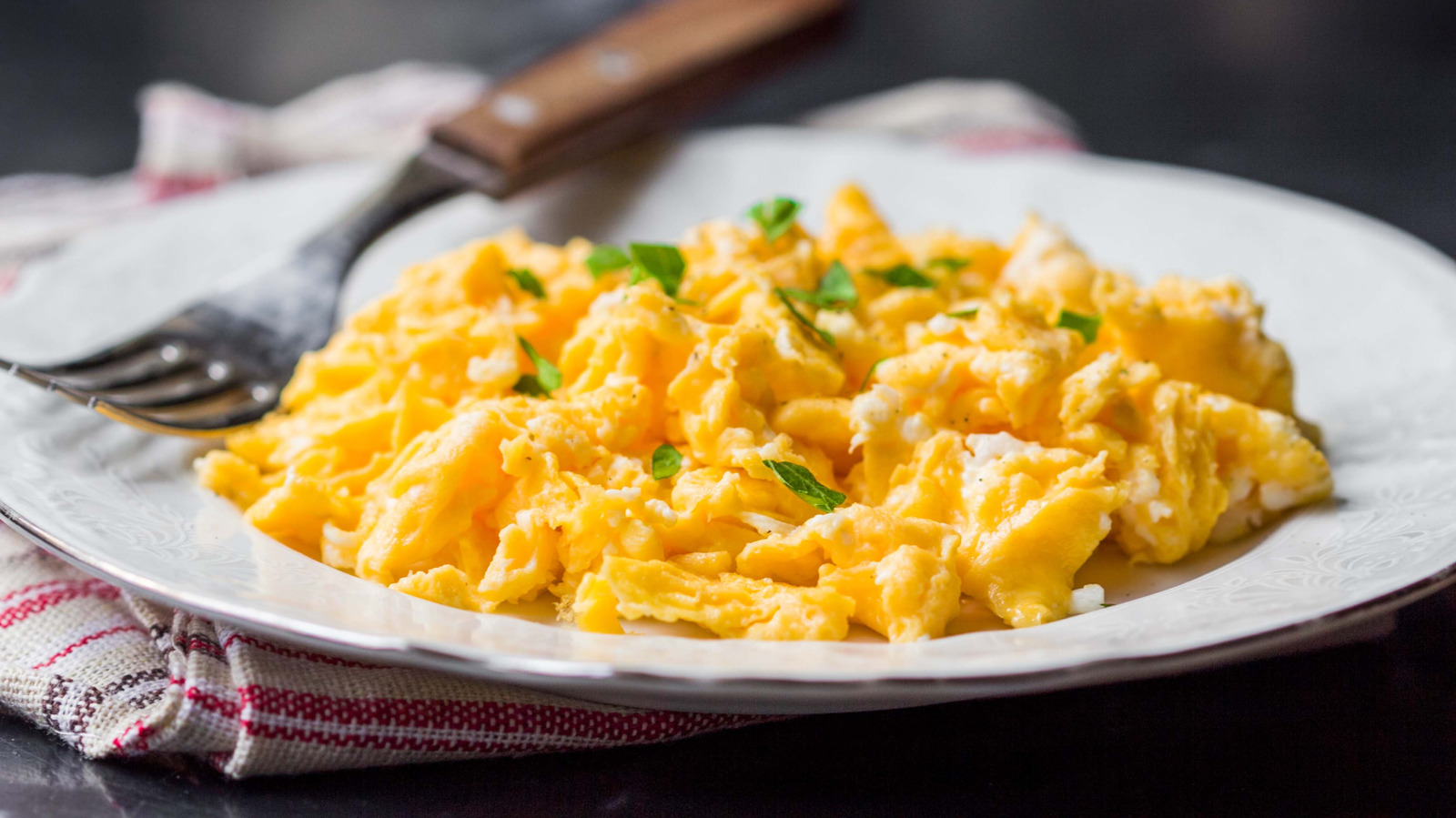
The culinary mechanics make immediate sense once tested on the stove. Eggs possess a high concentration of sulfur compounds and mild, creamy fats, but they require seasoning and acidity to avoid tasting flat. Sardines, packed either in extra virgin olive oil, water, or spiced tomato sauce, bring intense umami, salinity, and deep savory notes from naturally occurring glutamates. When the fish is gently broken apart and warmed before folding in beaten eggs, the packing oil doubles as the cooking fat. You bypass butter or neutral cooking sprays entirely, coating the egg curds in rich, heart-protective fats.
Home cooks who once spent $7 on single-serving packages of cold-smoked salmon discovered they could achieve similar omega-3 fatty acids and culinary richness at a third of the shelf price. Canned sardines keep unopened in a pantry for up to five years, eliminating the spoilage risk that haunts fresh seafood purchasers who fail to cook their fillets within forty-eight hours.