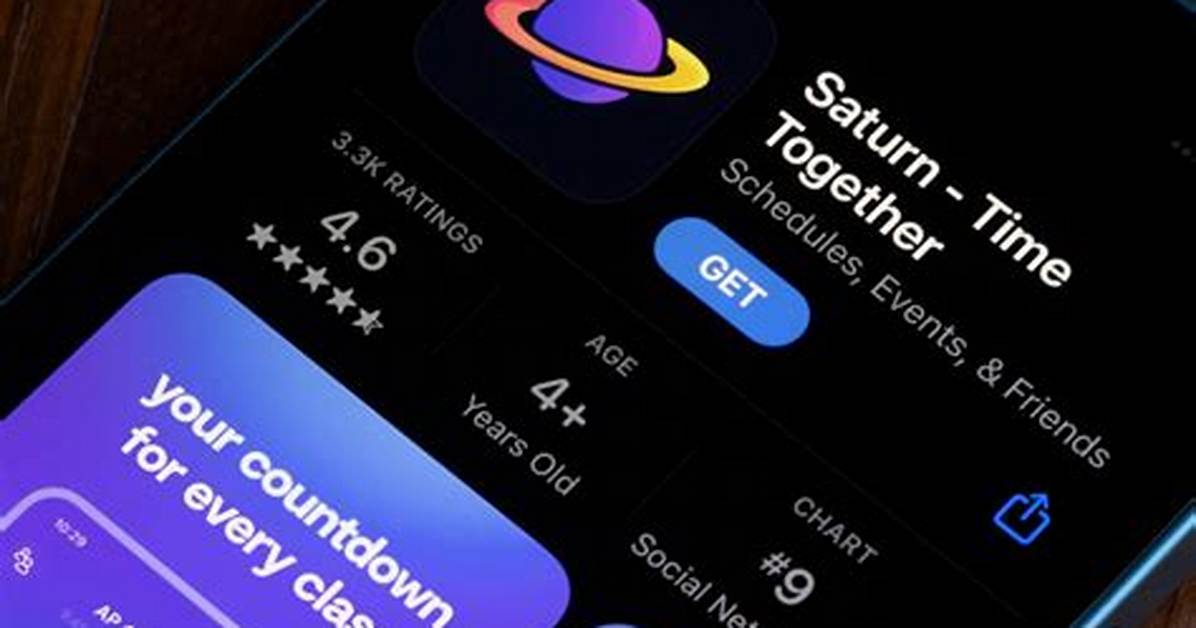
Saturn's hardline verification model highlights a deep tension in modern educational technology: the clash between physical child safety and equitable digital access. According to national hardware usage benchmarks collected between 2024 and 2026, approximately 12% to 15% of American secondary school students do not carry smartphones with active voice-and-data cellular contracts, relying entirely on campus-provided Chromebooks and home broadband.
By erecting an aggressive phone verification wall, Saturn successfully eliminated the anonymous creeps and automated scraping operations that haunted its early iterations. Campus schedules are fundamentally private data; exposing the daily room movements of minors without stringent boundary controls was an untenable product defect. Yet the current technical barrier simultaneously excludes lower-income students, international exchanges, and tech-restricted households from the primary digital hub organizing their peer groups.
School districts have responded unpredictably. While some administrators welcome Saturn's tightened security posture, others continue blacklisting the service from campus routers. For school network administrators, any third-party app aggregating bell schedules outside the official Student Information System (such as PowerSchool or Infinite Campus) introduces compliance headaches under federal student privacy statutes.