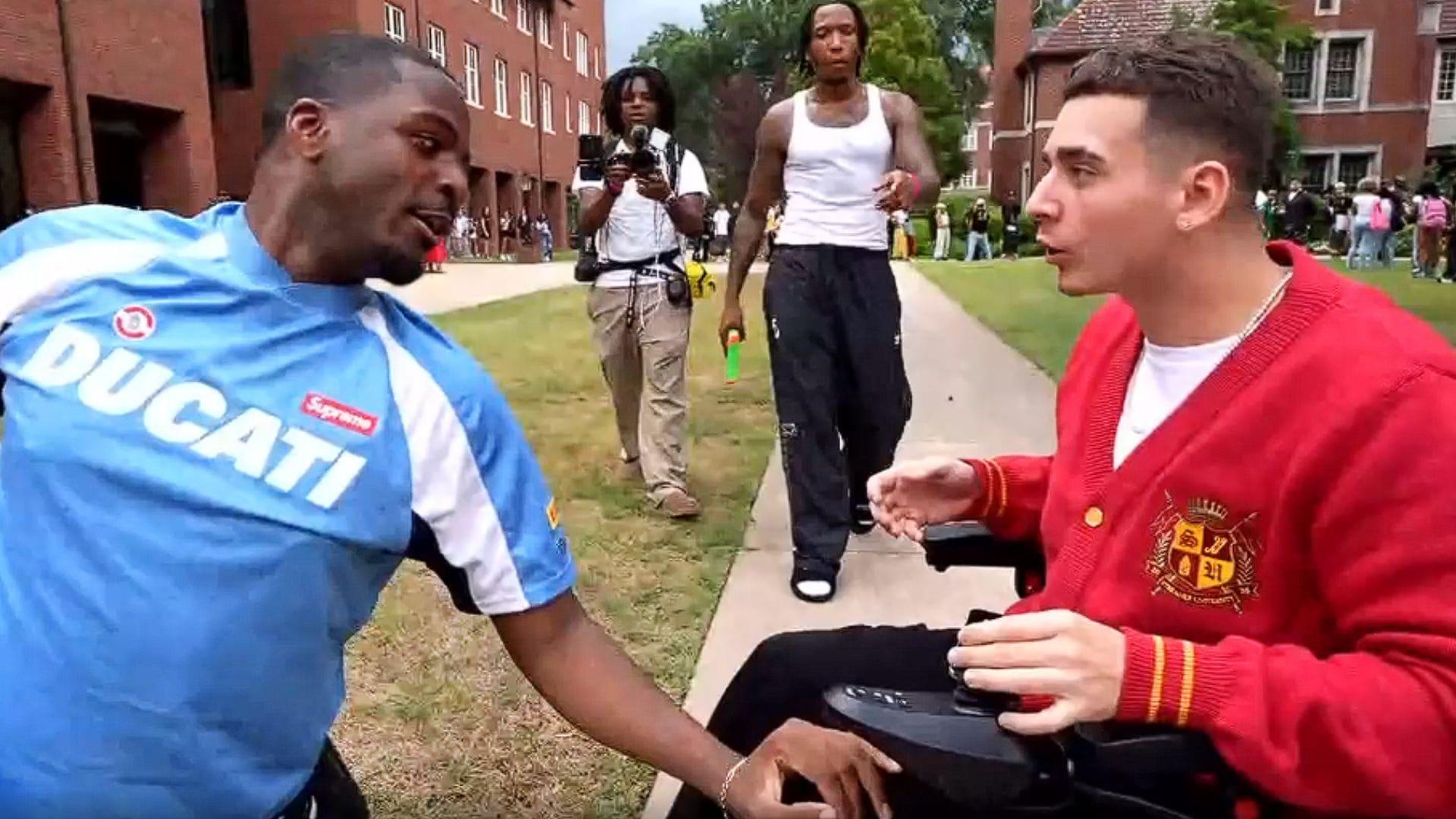
The diagnosis arrived quickly: a re-torn anterior cruciate ligament (ACL). This was not Lacy's first encounter with structural knee instability. He had previously undergone surgery and physical therapy for a prior ACL rupture. Experiencing a secondary tear poses significantly higher surgical risks and complicates long-term recovery.
The ACL serves as the central stabilizer of the knee joint, preventing the tibia from sliding forward relative to the femur while resisting rotational torque. When an existing graft fails, surgeons cannot simply stitch the original fibers back together. Revision reconstructive surgery requires clearing out scar tissue, assessing whether bone tunnels need bone grafting, and securing an alternative autograft or allograft tissue source. Using a wheelchair in the acute phase is not an overreaction. It eliminates mechanical shear stress, shields surrounding meniscal cartilage from crushing loads, and keeps baseline joint inflammation low enough for surgeons to operate safely.