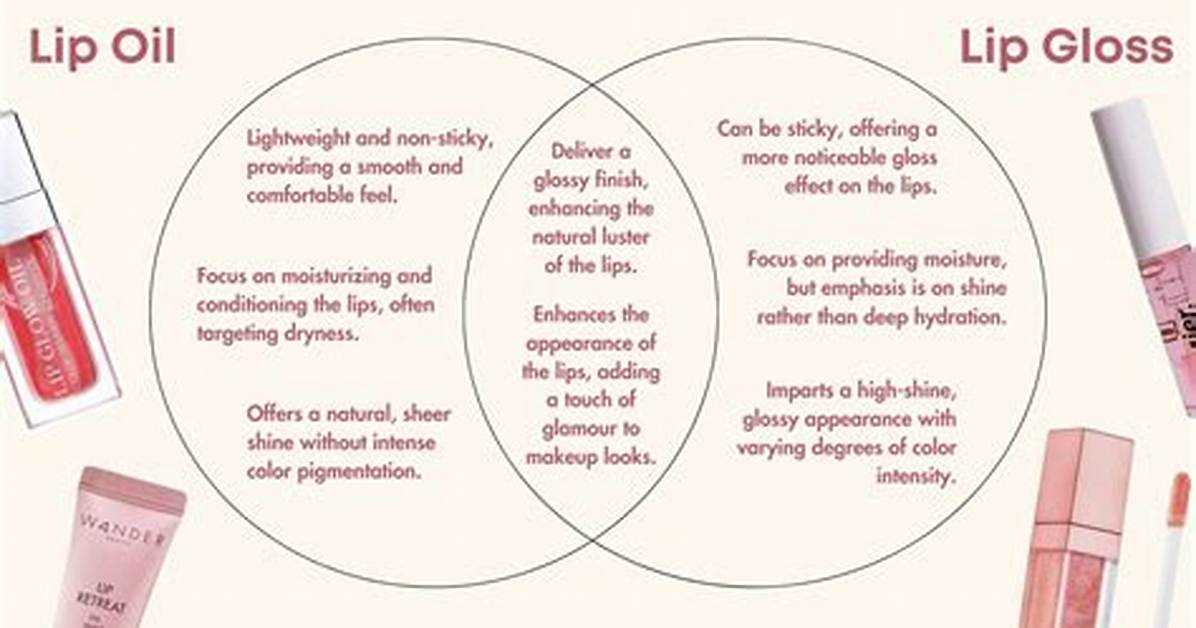
The difference between a gloss and an oil starts in the beaker. Traditional lip gloss relies on polybutene, polyisobutene, and hydrogenated polyisobutene. These synthetic polymers possess exceptional tack, creating an unbroken film that resists saliva and mechanical friction. That high viscosity produces an unmistakable glass-like reflection. Light bounces cleanly off the flat, sealed plane. The downside is physical drag: press your lips together, and you feel tactile resistance.
Lip oils bypass these heavy synthetics in favor of lightweight ester bases blended with plant-derived emollients. Formulators prioritize jojoba oil and squalane because their lipid profiles closely mimic human sebum. These small molecules slip easily between cracked skin cells to provide meaningful chapped lips hydration. However, that thin molecular weight reduces surface tension. Instead of sitting like an armored shield over the vermilion border, an oil gradually sinks into dry tissue. You trade long-lasting hold for zero stickiness and legitimate dermal repair.