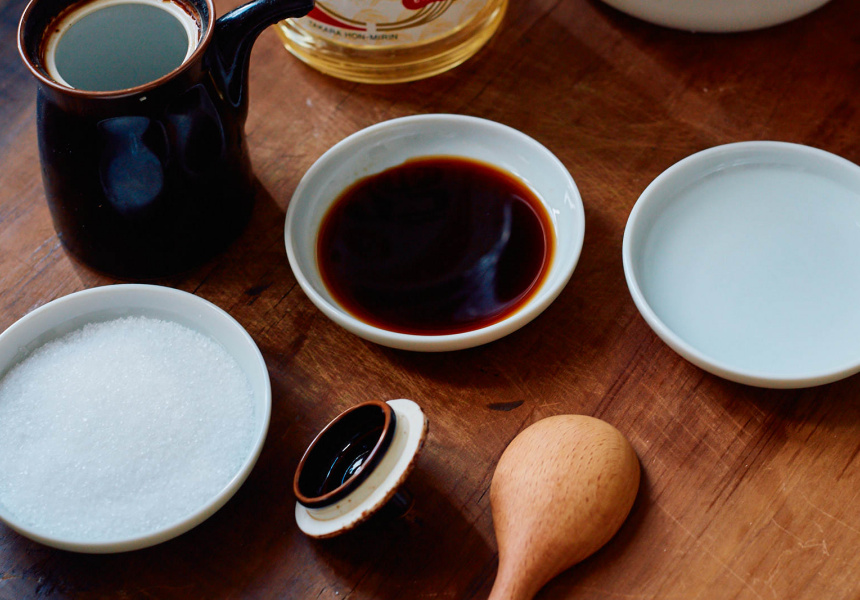
While the two-ingredient formula serves as a lightning-fast solution, Japanese culinary tradition favors a balanced four-part foundation: equal measures of soy sauce, mirin, and sake, calibrated with a deliberate brown sugar ratio. Sake provides acidity, lactic acid, and subtle fruit notes, while mitigating fishy or gamey odors in proteins. Mirin offers gentle sweetness and gloss, while sugar establishes the precise caramelization point needed for high-heat cooking.
Dark brown sugar introduces trace molasses, creating a deeper, darker color and rounded undertones that complement charred chicken thighs or salmon fillets. Reducing these four elements creates an intricate balance of salty, sweet, savory, and acidic notes impossible to replicate with corn syrup.
| Sauce Profile | Core Ingredients | Thickening Agent | Cook Time | Estimated Cost / 8 oz |
|---|---|---|---|---|
| Commercial Bottled | Corn syrup, water, soy protein, preservatives | Modified food starch, xanthan gum | Zero (Ready-to-use) | $3.50, $5.50 |
| Two-Ingredient Minimalist | Soy sauce, hon-mirin (1:1) | Thermal reduction of natural rice sugars | 4, 6 minutes | $1.80, $2.40 |
| Classic Four-Ingredient | Soy sauce, mirin, sake, brown sugar | Caramelization & alcohol evaporation | 5, 8 minutes | $1.90, $2.60 |
When constructing a four-ingredient blend, a reliable baseline ratio is two tablespoons of soy sauce, two tablespoons of mirin, two tablespoons of sake, and one tablespoon of packed brown sugar. Adjusting the brown sugar ratio upward yields a stickier, sweeter profile preferred for skewered chicken meatballs (tsukune), while dropping it emphasizes the savory, toasted grain qualities of fermented soy.