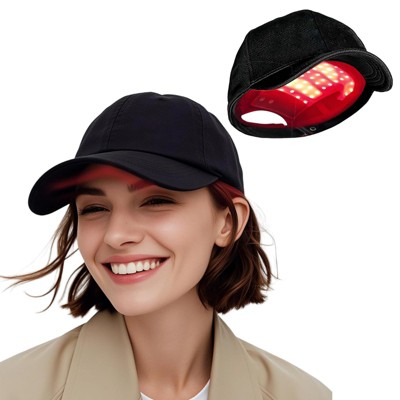
Hair loss rarely happens overnight. In cases of androgenetic alopecia, circulating dihydrotestosterone (DHT) binds to susceptible receptors in scalp tissue, gradually choking off blood supply and shrinking follicle diameter in a process known as miniaturization. Low-level light therapy (LLLT) targets this exact cellular breakdown through photobiomodulation.
When coherent red light strikes the scalp, photons penetrate roughly 5 to 8 millimeters beneath the epidermal surface. Intracellular photoreceptors inside the hair follicles, specifically cytochrome c oxidase within the mitochondria, absorb this optical energy. The reaction triggers an immediate surge in adenosine triphosphate (ATP) production, releasing nitric oxide and enhancing localized scalp blood circulation.
This biological cascade does not synthesize entirely new hair follicles where tissue has scarred over. Instead, it rescues dormant, miniaturizing follicles by forcing them out of the telogen (resting) phase back into an active anagen (growth) cycle. The optimal therapeutic window sits between 630nm and 660nm, with the 650nm red light wavelength representing the standard benchmark established across two decades of peer-reviewed photomedicine research.