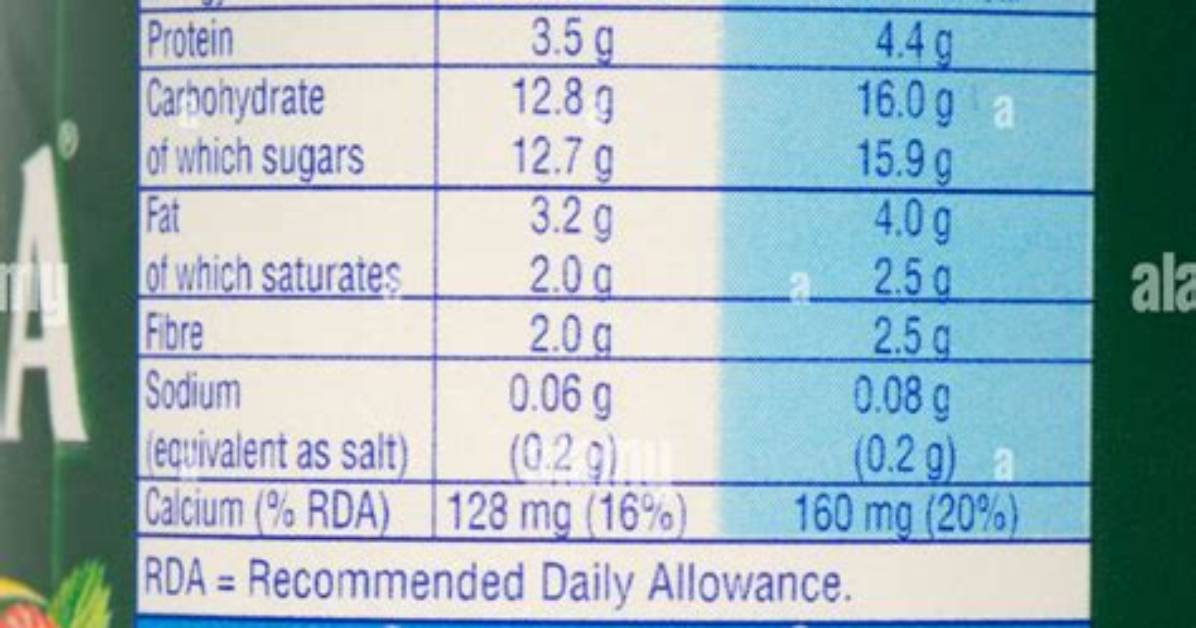
Puppies produce ample amounts of lactase, the digestive enzyme responsible for cleaving milk lactose into glucose and galactose. As dogs mature past weaning, genetic downregulation slashes lactase synthesis. Most adult canines experience some degree of lactose intolerance in dogs, meaning unabsorbed milk sugars travel intact directly into the large intestine. Once there, resident gut bacteria ferment these sugars, drawing water into the bowel through osmotic pressure and sparking painful gas, cramping, and loose stools.
Fermentation changes the equation. When manufacturers introduce bacterial starter strains like Lactobacillus bulgaricus and Streptococcus thermophilus into warm milk, these organisms consume a sizable portion of the natural lactose, converting it into lactic acid. Straining the fermented mixture, the process that transforms traditional yogurt into Greek yogurt, expels the watery whey fraction where residual lactose gathers. For an adult dog, this structural difference determines whether a spoonful of dairy functions as a gentle, nutrient-dense topper or an immediate digestive trigger.