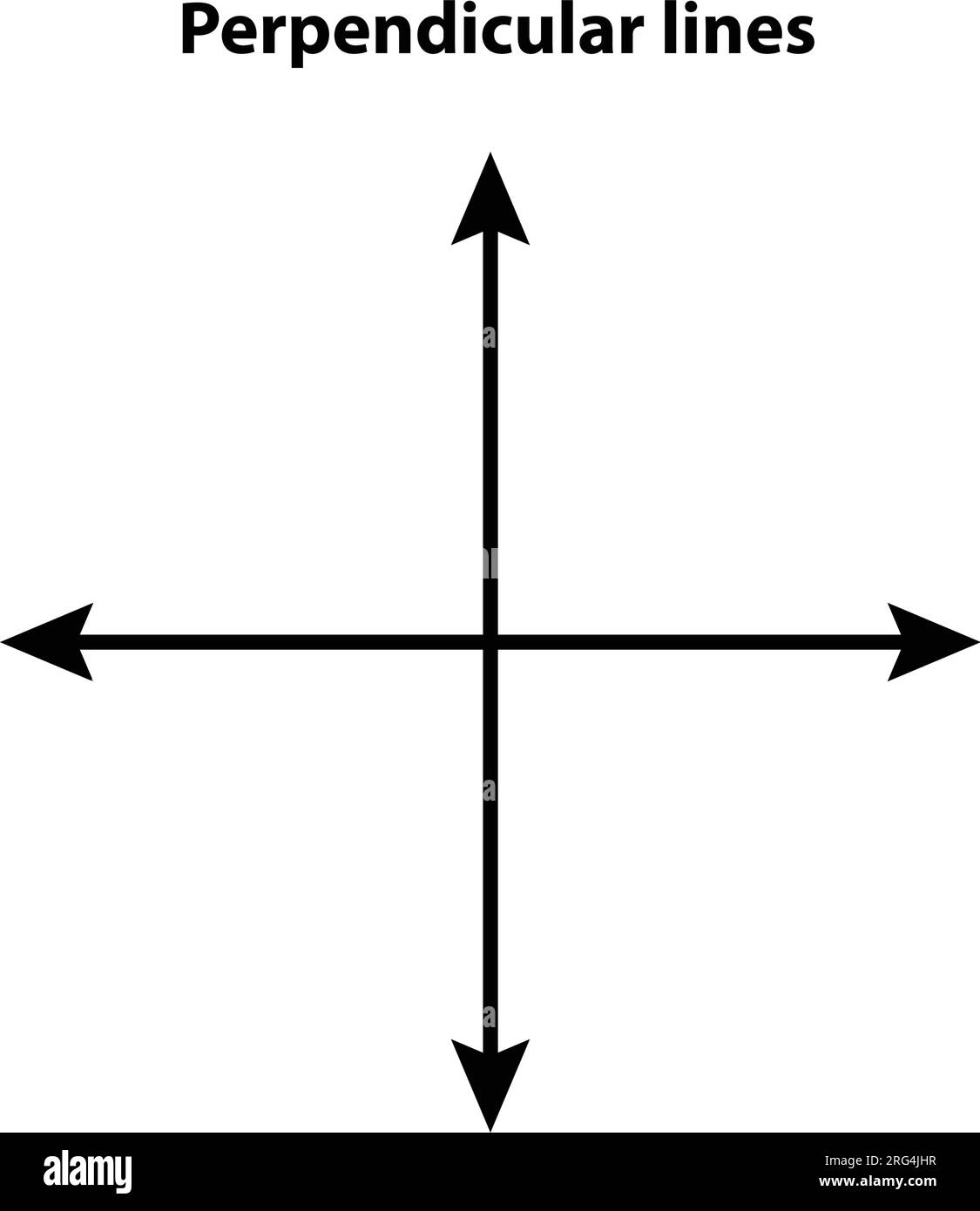
Beyond simple textbook coordinates, constructing a perpendicular bisector serves as the backbone for modern mapping algorithms, structural engineering, and spatial computing. A perpendicular bisector divides a line segment into two equal segments while passing through its midpoint at a 90-degree angle.
To calculate one, find the midpoint coordinates [(x₁ + x₂)/2, (y₁ + y₂)/2], compute the original segment's slope, take its negative reciprocal, and build the bisecting line equation. In modern software development, this geometric routine drives Voronoi diagrams, computational models used by telecommunications firms to route cell tower coverage, by logistics hubs to partition delivery zones, and by game developers to render procedural terrains.