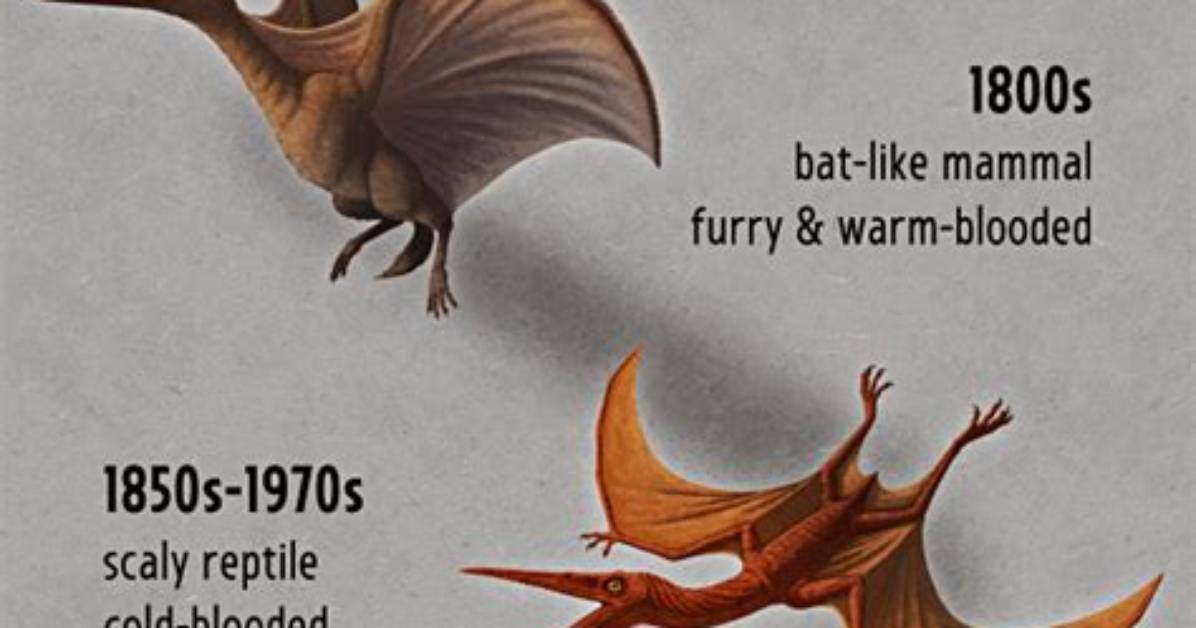
High-resolution CT scanning, laser-stimulated fluorescence, and aerodynamic modeling have transformed our understanding of how these animals lived and moved. Historically, paleontologists debated whether pterosaurs were fragile, cold-blooded gliders that relied on cliff-top launching to catch thermals. That narrative has collapsed entirely.
Fossils across the global fossil record confirm that pterosaurs were endothermic creatures insulated by pycnofibers, hair-like filamentous structures developmentally homologous to primitive proto-feathers. Their bones were deeply vascularized, supporting rapid growth rates comparable to modern oceanic seabirds. When launching into flight, Pteranodon did not jump from sheer drops or run down hillsides. Biomechanical simulations show it performed a quadrupedal vault, using its massive pectoral muscles to push downward with its wing-fingers, launching its entire body vertically into the air in a single explosive bound.
Furthermore, extensive skull surveys published by Kansas paleontologist S. Christopher Bennett demonstrate that Pteranodon showed pronounced sexual dimorphism. Female specimens had wider pelvic canals for egg-laying and small, stubby crests. Males had crests twice the length of their skulls. This confirmed that crest evolution was driven largely by mate choice and social display, not merely flight stabilization.