The Sierra Nevada acts as a massive thermal wall for moisture pushing inland from the Pacific Ocean. As saturated systems hit the western slope, orographic lift squeezes out enormous volumes of water. During the initial wave, high freezing levels kept the deluge entirely liquid up to 7,000 feet, swelling river basins and saturating soils across the Sacramento Valley.
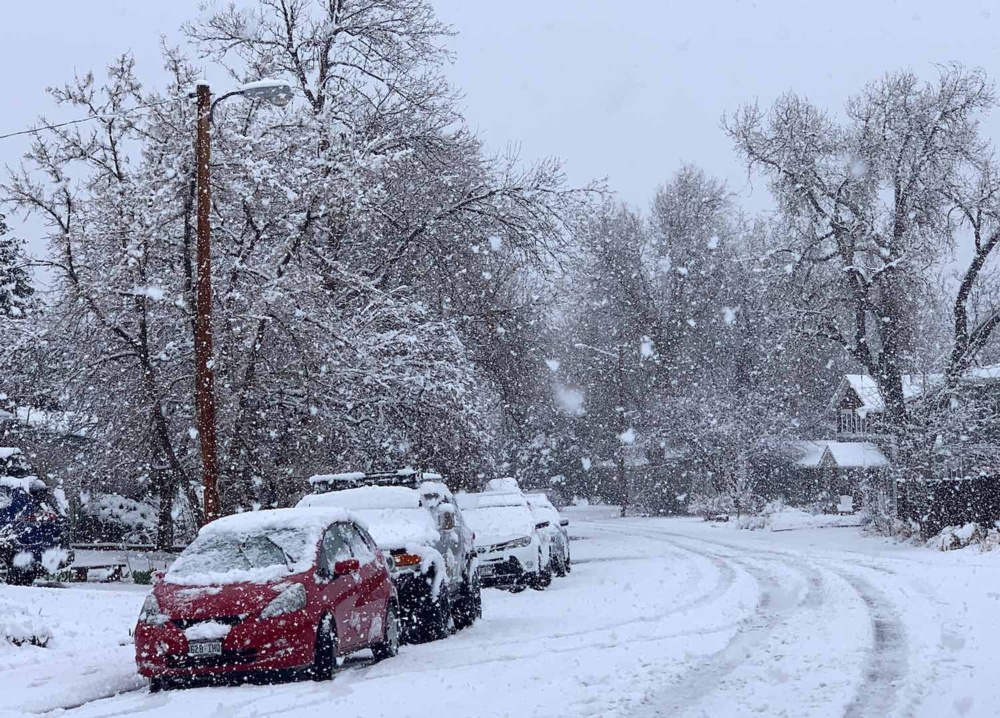
The subsequent cold front collapsed those thresholds. Freezing levels plummeted to 3,500 feet within a twelve-hour window. This triggered a winter storm warning across the northern Sierra, catching transit officials mid-stride. Snowfall rates quickly reached 2 to 3 inches per hour across Donner Summit (elevation 7,215 feet), creating zero-visibility blizzard conditions and forcing the California Highway Patrol to mandate chain controls before shutting down Interstate 80 completely.
On regional transit forums and Reddit trucking channels, long-haul drivers reported standing water on the highway outside Auburn turning into thick slush within five miles of ascent, before giving way to solid ice pack near Blue Canyon. The speed of the drop leaves zero margin for error. Road crews operating rotary plows face wet, heavy snow, often dubbed "Sierra cement", weighing upwards of 15 to 20 pounds per cubic foot, which quickly overwhelms standard clearing equipment and knocks out high-elevation power lines.