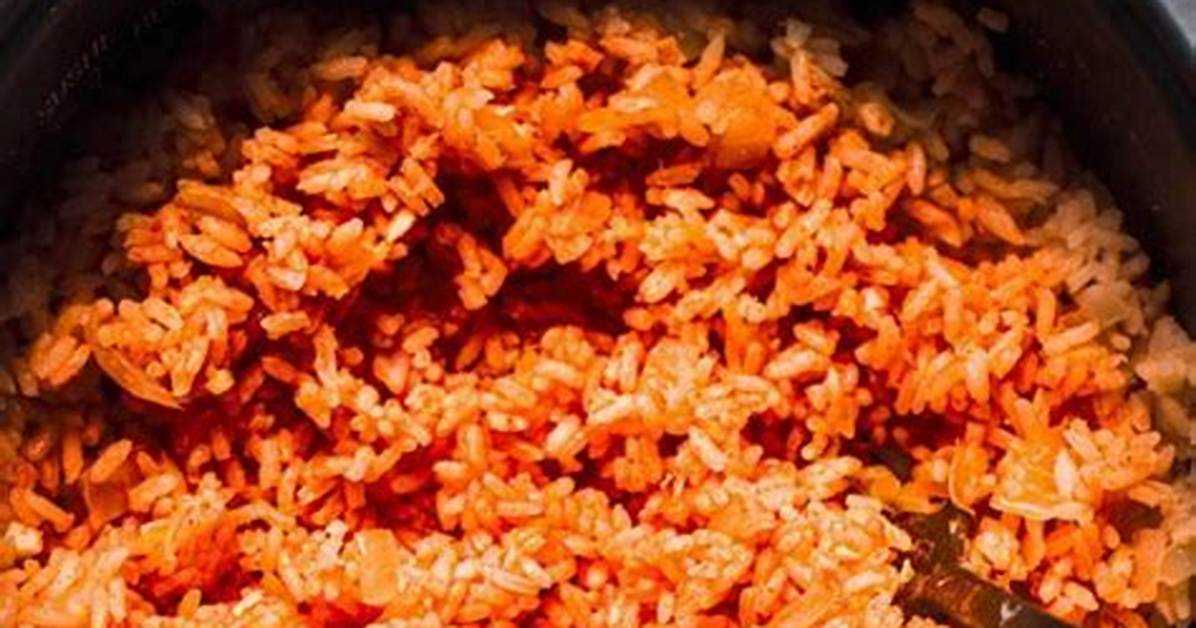
Food writers and grandmothers have argued over grain washing for decades. In test kitchen trials comparing unwashed grains against thoroughly rinsed batches, the physical differences appear immediately upon plate presentation. Gummy rice prevention depends directly on how much free surface starch enters the cooking chamber.
Long-grain white rice contains roughly 80% starch, split between linear amylose and branched amylopectin molecules. Milling shears microscopic starch dust onto the grain exterior. When boiled without washing, this surface starch gelatinizes into a sticky web that glues individual grains together.
Rinsing excess starch under cold running water solves half the problem. Place the dry grains into a fine-mesh sieve and rinse until the drainage runs crystal clear, typically requiring three to four water changes. The trade-off involves surface moisture. Wet grains cannot toast properly in oil without splattering and steaming. For the best result, rinse thoroughly, spread the grains across a clean kitchen towel, and let them air-dry for 15, 20 minutes before introducing them to hot oil.
| Preparation Variable | Unwashed Grains | Rinsed & Air-Dried |
|---|---|---|
| Grain Texture | Clumpy, dense, sticky clumps | Distinct, tender, separated |
| Toasting Performance | Burns quickly; uneven browning | Even golden hue; nutty aroma |
| Sensor Trigger Accuracy | Erratic; cuts off prematurely | Predictable cycle shutoff |
| Bottom Layer Result | Heavy scorch crust (concolón) | Clean release, minimal sticking |