The electronic music community remains the most sensitive testing ground for cross-platform migrations. Publications like Mixmag point out that club music culture thrives on unreleased dubplates and platform-exclusive mixes. SoundCloud served as the digital living room for this culture since 2008 precisely because anyone could post an audio file without waiting for digital distributors like DistroKid or TuneCore to clear publishing rights.
When listeners migrate a 100-track underground dance playlist to Spotify, catalog attrition is inevitable. A standard user test running bass music, footwork, and experimental techno playlists typically yields a 30%, 45% drop rate. The official Spotify catalog simply does not hold unapproved sample-heavy tracks that live comfortably on SoundCloud. Producers frequently post demo sketches that never clear commercial licensing, leaving these tracks stranded outside traditional streaming boundaries.
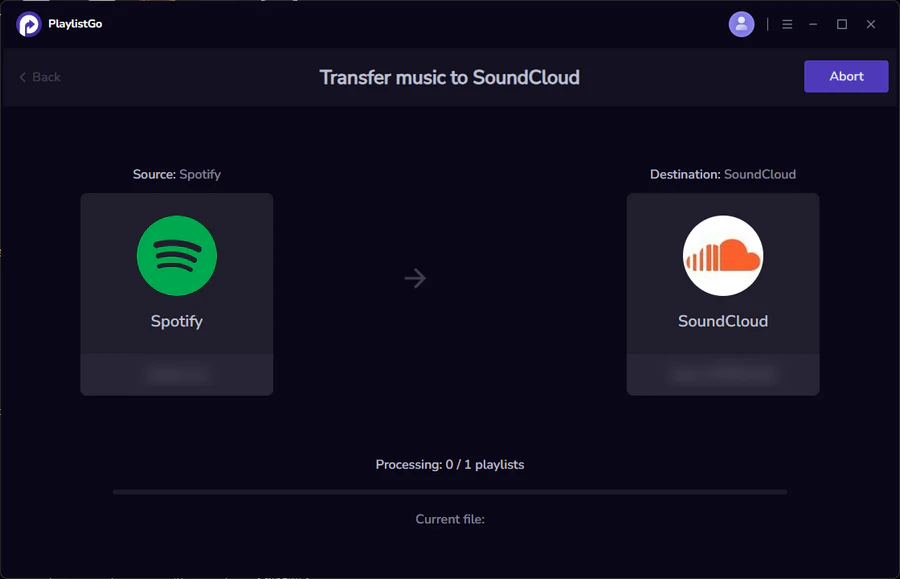
For electronic music fans, moving away from SoundCloud entirely remains impractical. Spotify's migration tool serves primarily to bridge the gap for popular club tracks that eventually secured proper digital distribution, leaving true underground curation tied to decentralized audio platforms.