
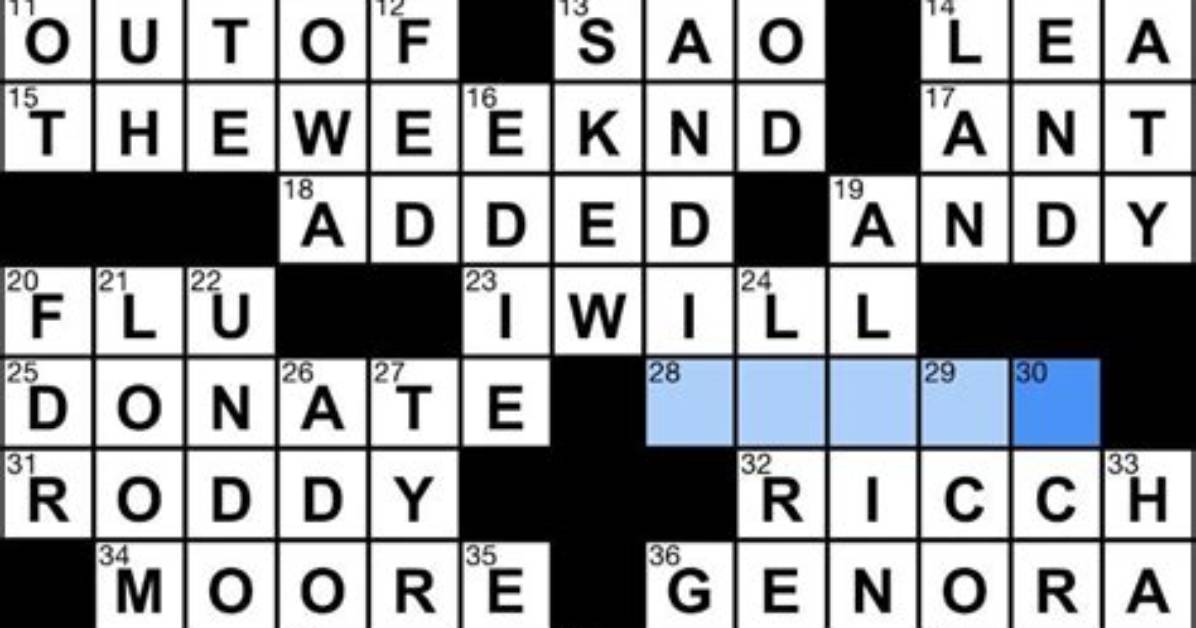
Constructors building grids for major syndicates like The New York Times, USA Today, and the Los Angeles Times face severe spatial constraints. In standard American-style puzzles, every letter must participate in both an across and a down answer, and unchecked squares are strictly forbidden. This constraint frequently leaves constructors with awkward vowel clusters in corner junctions.
Spanish words fit these structural gaps neatly. Terms like madre, padre, and tia offer alternating vowel-consonant arrangements that unlock dense grid corners. The letters A, E, and O appear with high frequency in Spanish vocabulary, offering puzzle makers flexible anchor points. Incorporating basic international words also introduces thematic texture, testing general cultural knowledge rather than obscure trivia.


