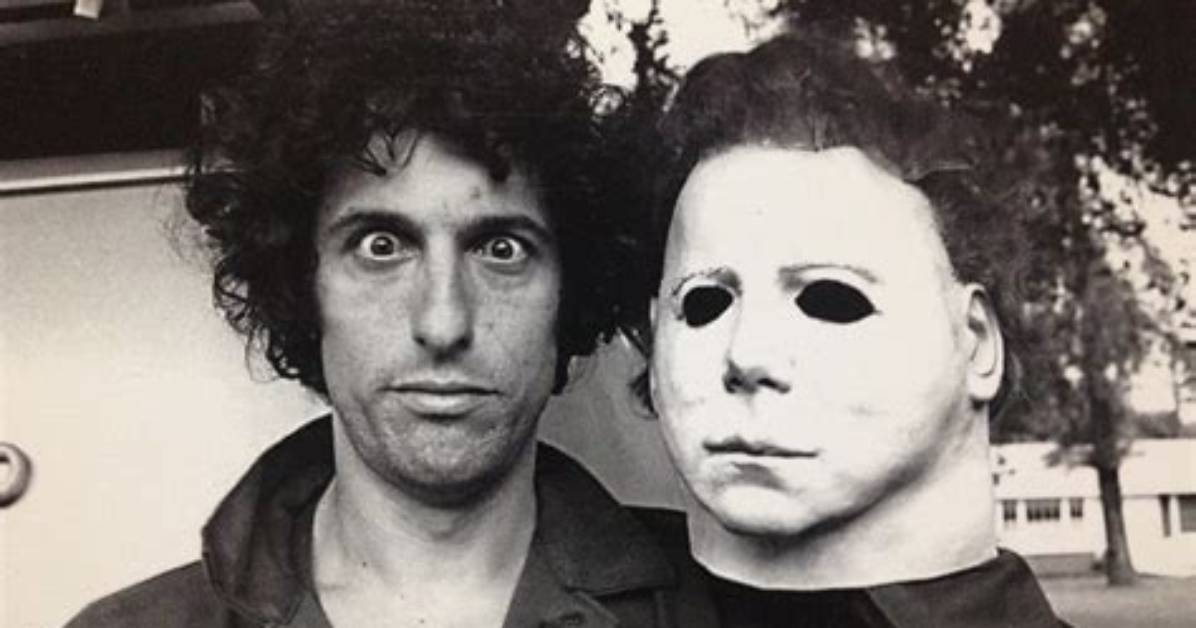
Unlike other horror movie villains unmasked throughout cinema history, Michael Myers diminishes the moment his features are laid bare. In the Friday the 13th franchise, ripping Jason Voorhees' hockey mask away escalates the shock value by exposing rotting flesh and practical makeup effects. In Clive Barker’s Hellraiser, Pinhead's face is an intricate display of body modification that commands authority.
Michael operates under inverted logic. Rob Zombie attempted to dismantle this dynamic in his 2007 remake and 2009 sequel, where 6-foot-8 former professional wrestler Tyler Mane spends long stretches of film without any mask, sporting a tangled mountain-man beard and greasy hair. Fans pushed back fiercely. Humanizing Michael by showing his tear-streaked face and domestic misery severed the supernatural dread Carpenter established.
The terror of The Shape is not anatomical; it is ontological. When audiences stare at the unmasked face of Michael Myers, they see an ordinary man capable of extraordinary butchery. The mask functions as an emotional vacuum that strips away empathy, age, and conscience. Once the latex comes off, the monster transforms back into a mortal man awaiting arrest, surgery, or burial.