
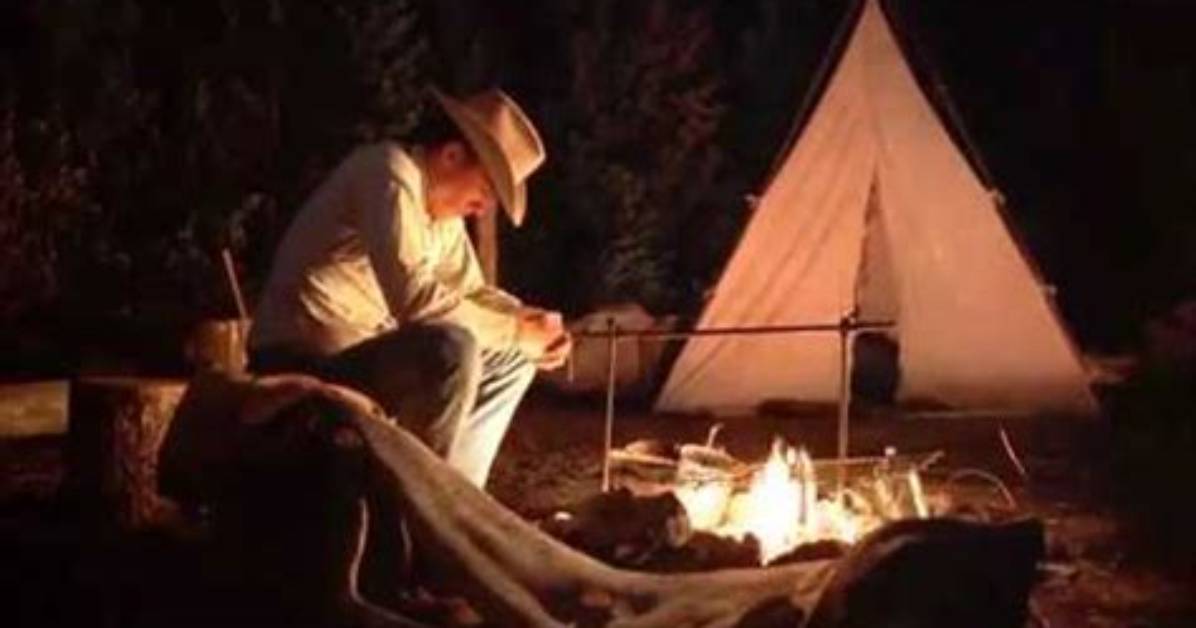
Screenwriters Larry McMurtry and Diana Ossana spent nearly seven years bringing Annie Proulx’s 1997 New Yorker short story to the screen, battling studio executives who found the material uncommercial or uncomfortably frank. Proulx’s original prose describing the tent night was famously lean, clocking in at just a few paragraphs. She wrote that Ennis was "as silent as the rock" and described the intimacy with tactile directness, devoid of sentimentality.
Ang Lee recognized that cinema could not rely on Proulx’s omniscient internal narration. Instead, he relied on negative space, long takes, and sharp rhythmic cuts. Lee’s directing techniques emphasized what the characters could not say. He instructed Ledger and Gyllenhaal to avoid modern gay mannerisms or contemporary psychological awareness, demanding that they stay locked in the behavioral confines of rural working-class men from the American West in the early 1960s.
In the morning aftermath, the dialogue is devastatingly brief. Ennis offers his immediate defense mechanism: "I’m no queer." Jack delivers the heartbreakingly pragmatic reply: "Me neither. A one-shot thing. Nobody’s business but ours." These two sentences form the foundation of their tragic dynamic for the next twenty years. Jack hopes secrecy will allow them to carve out a life together; Ennis treats the sentence as a prison rule he must enforce with violent paranoia.


