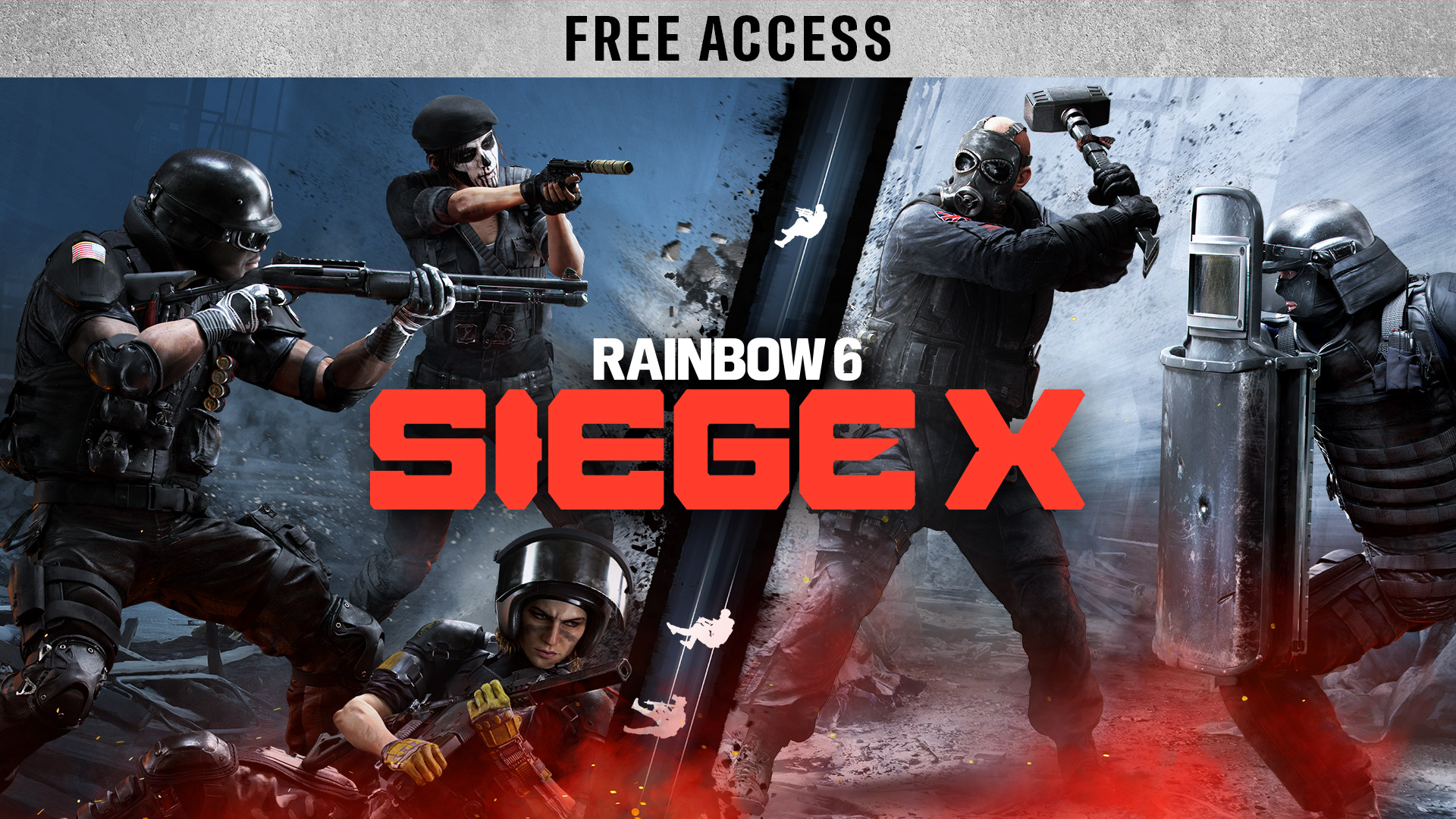
Ubisoft built Rainbow Six Siege on the proprietary AnvilNext 2.0 engine. The software demands extensive CPU compute overhead, direct access to Microsoft DirectX 11 or 12 runtime libraries, and deep integration with physical graphics processing units. The desktop client requires at least an Intel Core i3-560 or AMD Phenom II X4 945, coupled with modern high-bandwidth VRAM, merely to render destructible walls and complex ballistic physics at baseline frame rates.
WebAssembly and WebGL have advanced significantly, yet they cannot translate that tier of multithreaded compute overhead into an in-browser sandbox. A secondary obstacle renders the browser-port fantasy completely unviable: BattlEye anti-cheat compatibility.
BattlEye operates as a dynamic, kernel-level anti-cheat driver within the Windows operating system. It validates memory addresses, checks driver digital signatures, and tracks background processes to prevent memory injection and unauthorized telemetry tampering. A web browser operates entirely within an isolated application-layer sandbox. It cannot grant low-level kernel hooks to a third-party driver without subverting the operating system's security architecture. Any platform claiming to run competitive Siege servers without active BattlEye integration operates either as an outright fabrication or an isolated, unplayable tech demo.