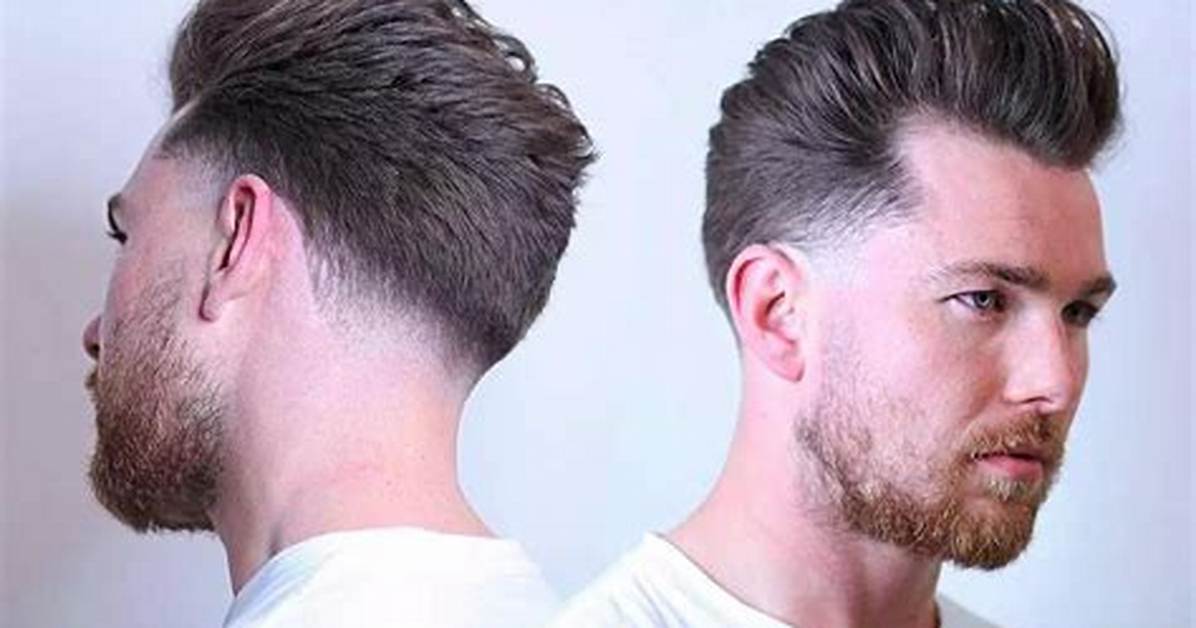
The trajectory of the curly low taper fade mirrors how street subcultures interact with digital curation. Throughout the 1990s and 2000s, low tapers were staple cuts across metropolitan Black, Dominican, and Puerto Rican enclaves. Barbers relied on them because they framed natural texture without exposing the curvature of the skull. The style offered an alternative to the harsh geometry of high skin fades or the severe lines of flat tops.
Around 2023, the style experienced an unprecedented surge on social platforms. Creators with wavy and coiled patterns began showcasing transitions from overgrown shags to sharply tapered silhouettes. By mid-2024, the "low taper fade meme", often paired with acoustic guitar audio snippets and sudden zooms, crossed over from community-specific appreciation into mainstream internet folklore.
By 2026, the joke has evaporated, but the haircut remains in high demand. Barbers report that clients across all demographics now ask for the cut by name. It bridges demographics that previously gravitated toward disconnected undercuts, European-style mod crops, or slicked-back pompadours. The appeal lies in its adaptability: it flatters nearly every face shape by softening square jawlines and adding vertical proportion to rounded faces.