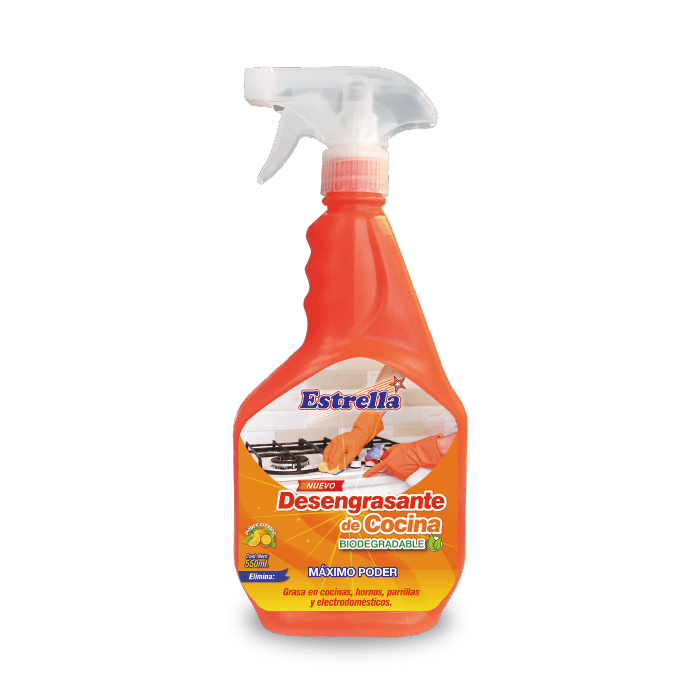
Q1: Can heavy-duty commercial degreasers be used on cast iron skillets?
A1: Never use high-pH alkaline degreasers on seasoned cookware. Formulas containing sodium hydroxide strip away the polymerized oil layer completely, exposing bare iron to instant flash rusting. Stick to hot water, coarse salt, and gentle chainmail scrubbers, or use mild dish soap formulated without harsh caustic bases.
Q2: How can I tell if a cleaning product has damaged my stainless steel range?
A2: Chemical damage shows up as cloudy, chalky white patches or iridescent purple-gold stains that resist ordinary wiping. This occurs when high-pH chemicals corrode the metal's passive chromium layer. Mild superficial hazing can sometimes be corrected with dedicated stainless steel restoration polishes, but deep chemical pitting is irreversible.
Q3: What should I look for on the label to ensure a degreaser is safe around food?
A3: Look for products certified under NSF International Registration Guidelines for Proprietary Substances (specifically category codes A1 or A8 for general cleaning, and 3D for food contact). Verify that the product is free from glycol ethers, petroleum distillates, and artificial fragrances, and always perform a clean-water rinse following application.
Q4: How do I safely clean blackened range hood filters without destroying the aluminum?
A4: Submerge the filters in a basin filled with boiling water, half a cup of baking soda (sodium bicarbonate), and two tablespoons of concentrated dishwashing liquid. Baking soda has a mild pH around 8.3, which cuts through grease without triggering the destructive oxidation caused by caustic lye.