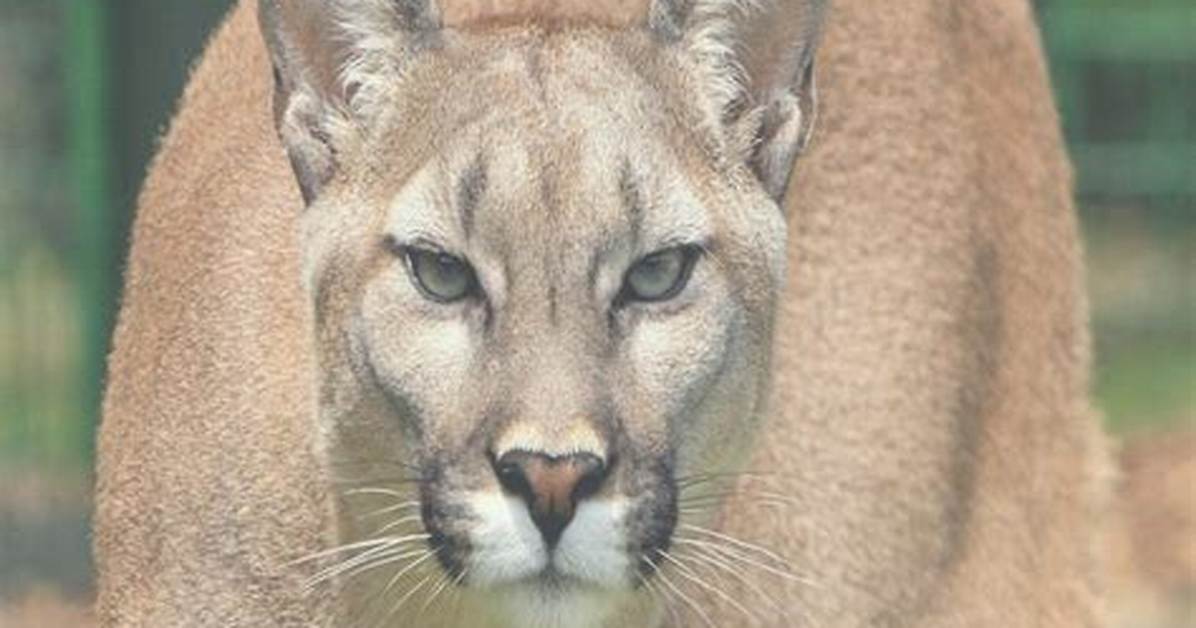
Before Hollywood scriptwriters and tabloid columnists repurposed the word, the cougar held undisputed status as the western hemisphere's most adaptable terrestrial carnivore. Known variously as the mountain lion, panther, painter, or catamount, Puma concolor possesses the largest geographic range of any native land mammal in the Americas, stretching from the Canadian Yukon to the southern tip of Chile.
Field biologists note that cougars rely on exceptional stealth and solitary hunting habits. An adult male can measure up to 8 feet from nose to tail tip and weigh upwards of 180 pounds, capable of vertical leaps exceeding 15 feet. Over the last century, aggressive predator control programs eradicated breeding populations throughout the eastern United States, leaving only an endangered population of Florida panthers in the deep South.
Recent trail-camera documentation and hair-snare DNA evidence show sub-adult males dispersing from established populations in the Black Hills of South Dakota and the Nebraska Pine Ridge. Wildlife conservation agencies across Iowa, Minnesota, and Wisconsin tracked dozens of confirmed dispersals between 2022 and 2026. These animals travel hundreds of miles through river corridors in search of mates and unoccupied territories. In natural resource debates, the cougar is not an ironic cultural reference; it is a vital apex predator navigating fragmented ecosystems.