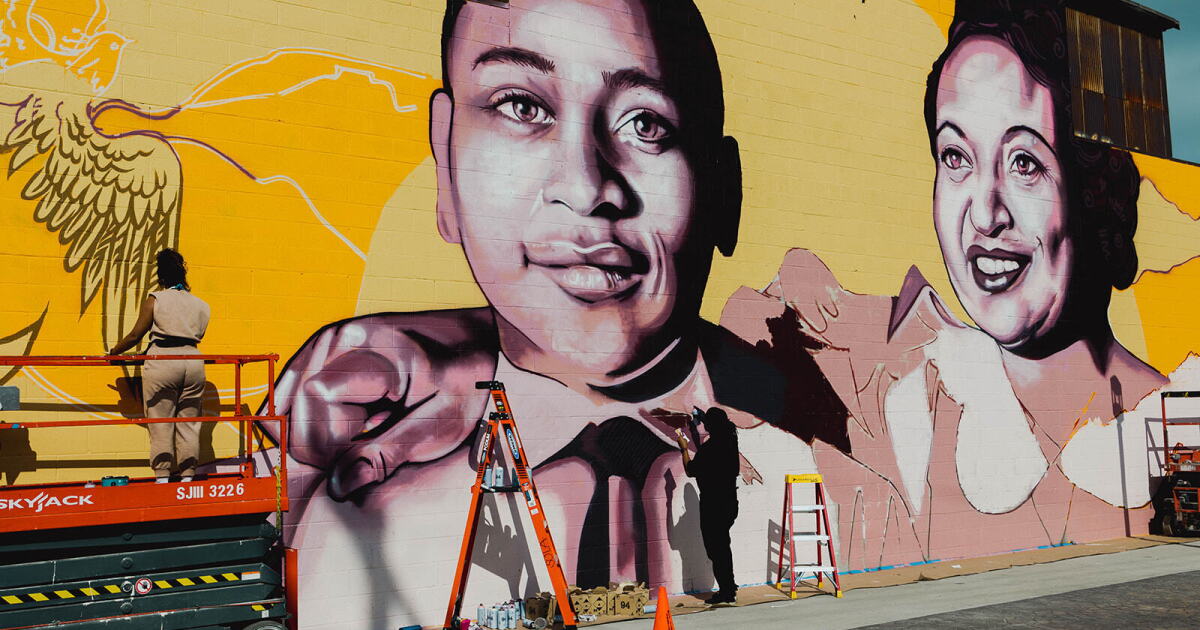
The release of Jackson's images acted as an accelerant across legal, grassroots, and international spheres. The subsequent acquittal of Bryant and Milam by an all-white jury in Sumner, Mississippi, followed months later by their paid confession in Look magazine, underlined the complete collapse of state justice.
| Date | Event & Milestones | Societal & Political Impact |
|---|---|---|
| August 28, 1955 | Abduction and murder in Money, Mississippi | Local sheriff attempts quiet, immediate burial; halted by Mamie Till-Mobley. |
| September 3, 6, 1955 | Open casket wake at Roberts Temple Church | An estimated 50,000 to 100,000 mourners witness the body directly. |
| September 15, 1955 | Jet Magazine publishes David Jackson's photographs | Visual evidence circumvents northern media blackout, igniting national outcry. |
| December 1, 1955 | Rosa Parks refuses to yield her seat in Montgomery | Parks later notes she thought of Emmett Till and could not go back. |
| March 29, 2022 | Emmett Till Anti-Lynching Act signed into federal law | Codifies lynching as a federal hate crime after more than 200 failed attempts. |
The photographic record preserved by the Black press provided the moral framework for direct action. When Rosa Parks remained seated on a Montgomery bus ninety-eight days after Till's body surfaced, she recounted that the image of Emmett Till was what anchored her resolve. Young organizers in the Student Nonviolent Coordinating Committee (SNCC) later referred to themselves as the "Till Generation," young activists who came of age carrying Jackson's photography folded in their pockets.