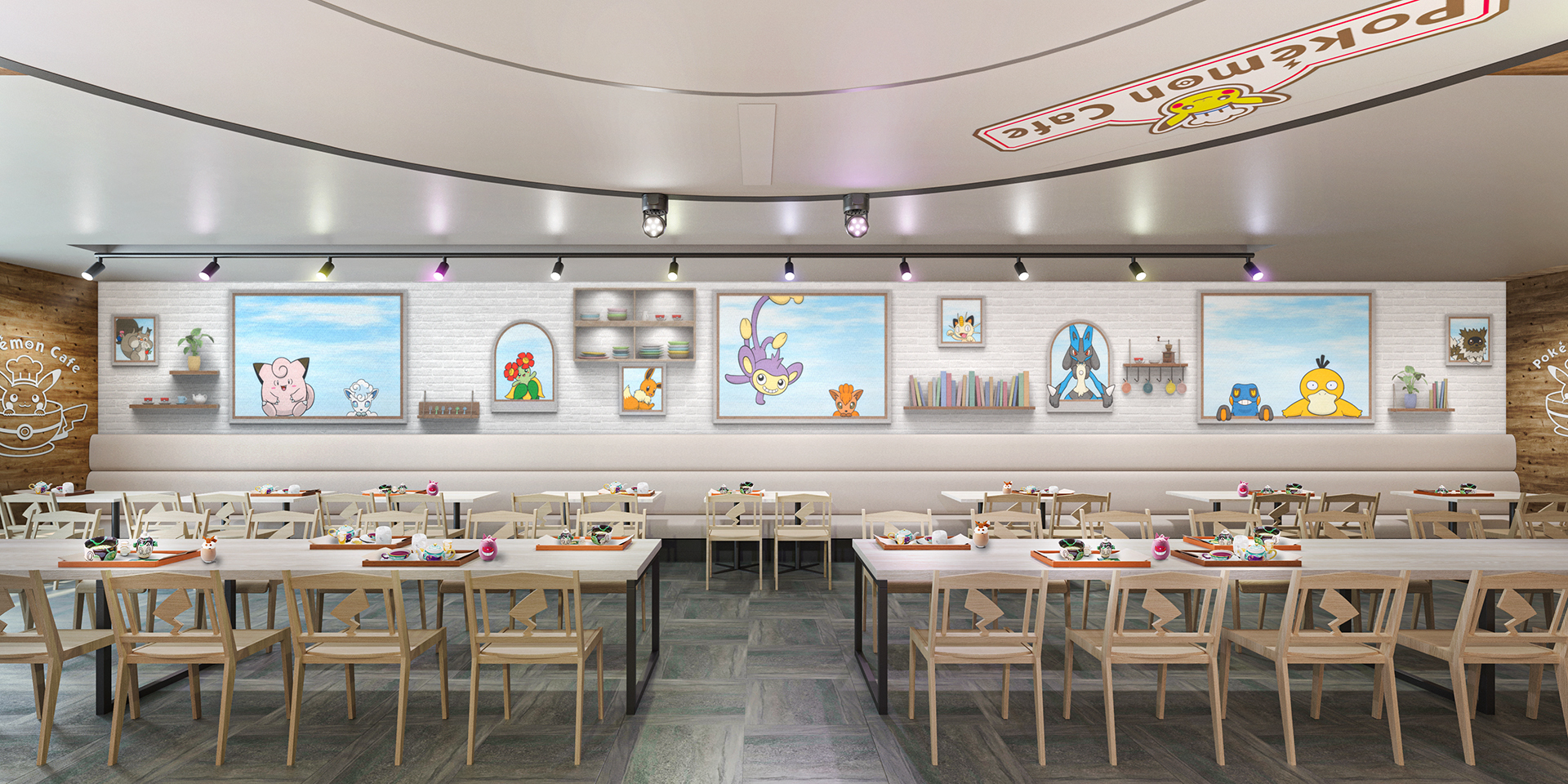
The culinary gap between these venues is wide. The Pokémon Cafe designs its menu around visual likeness first and food science second. The signature Pikachu Curry plate (priced around ¥2,420 / $16.00) delivers molded turmeric rice shaped like Pikachu's head alongside standard cafeteria-grade mild curry and lightly steamed vegetables. The Snorlax Lunch Plate (¥2,750 / $18.50) offers substantial volume, roast beef, rice, and potato wedges, yet the seasoning profile skews institutional and lukewarm. Dessert offerings like the Eevee Sweet Plate (¥2,090 / $14.00) lean heavily on whipped gelatin, dense chiffon cake, and sugar glazes designed for camera sensors rather than discerning palates.
Kirby Café, operated in collaboration with veteran Japanese dining operator Benelic, treats its kitchen as a competitive restaurant. The Kirby Burger and Golden Tomato Pasta Plate (¥3,278 / $22.00 with souvenir plate included) features a freshly griddled beef patty tucked into a soft, naturally colored pink bun, accompanied by warm pasta tossed in a balanced, garlic-forward tomato reduction. The Whispy Woods Feast Plate (¥2,970 / $20.00) delivers tender glazed pork spare ribs, warm potato salad, and fresh seasonal greens that hold their own against standard Tokyo bistro standards.
Portion sizing also tips heavily in Kirby's favor. Diners leaving Pokémon Cafe routinely report feeling peckish two hours later, largely because the dishes prioritize decorative white rice and sculpted breading over protein density. Kirby plates feature balanced fat, acid, and carbohydrate distribution. You pay comparable prices at both establishments, average checks range from ¥2,500 to ¥4,500 per person ($17, $30), yet Kirby consistently delivers genuine culinary satisfaction rather than mere edible merchandise.