For years, TikTok kept its comment section strictly typographic. Users could type up to 150 characters, insert platform stickers, or mention other accounts. If a creator wanted to respond with an image, they had to film a new video featuring a green-screen background. That structural boundary kept the discussion anchored to the primary video clip.
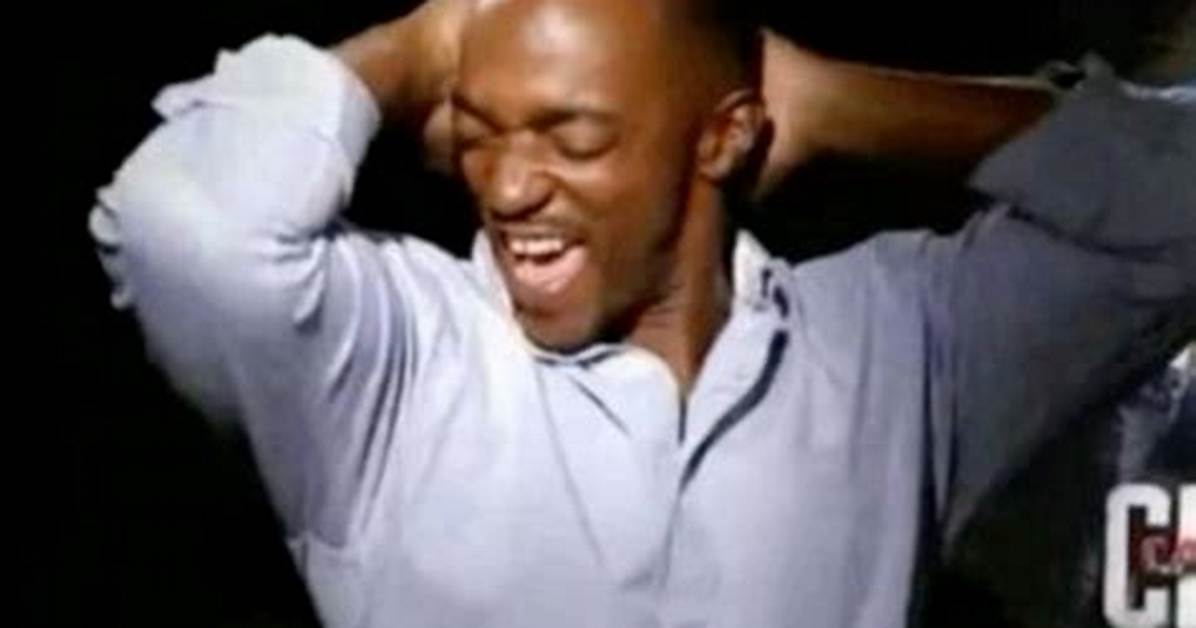
The introduction of direct photo replies dismantled that barrier. By adding a small gallery thumbnail next to the text field, the app invited millions of casual scrollers to reach into their camera rolls. Early adopters immediately began deploying surreal stills, hyper-specific television screen captures, and deep-fried visual jokes to react to cooking fails, gym skits, and breaking news clips. Text became secondary. The fastest route to the top of an engagement stack was no longer a sharp one-liner, but a perfectly timed reaction photo.
The change shifted the tempo of scrolling. Rather than immediately swiping up after a clip concluded, users spent an extra thirty to forty seconds reading through visual threads. This in-feed reply media created autonomous micro-communities inside standard creator comment feeds, mirroring older internet spaces like Reddit or 4chan while maintaining TikTok's rapid algorithmic pace.