
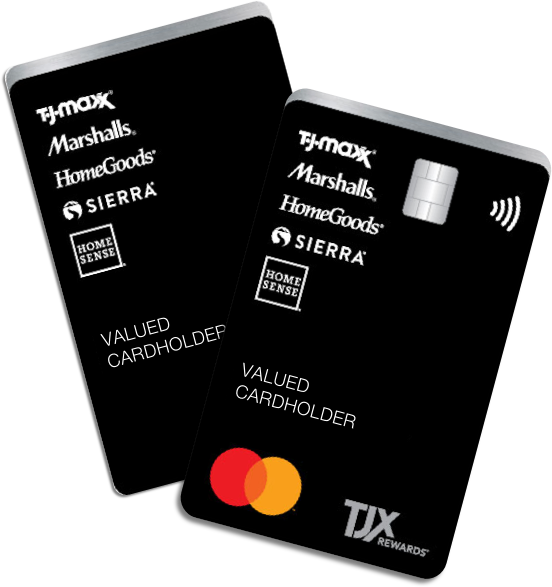
The card does offer concrete benefits for a specific slice of the retail population. Understanding whether the program makes sense requires matching the reward return against everyday consumer spending patterns.
| Card Program | Typical APR Range | Primary Reward Structure | Flexibility & Redemption |
|---|---|---|---|
| TJX Rewards Credit Card (Store-Only) | 31.99%, 34.24% Variable | 5 points per $1 (5% equivalent) at TJX stores | Restricted to TJX merchandise certificates only |
| TJX Rewards Platinum Mastercard | 31.99%, 34.24% Variable | 5% at TJX; 1 point per $1 on external spending | Points automatically convert to store coupons only |
| General Flat-Rate Cash Back Card | 19.99%, 28.99% Variable | 2% flat cash back on all global purchases | Direct statement credits, bank deposits, zero store lock-in |
The central attraction remains the 5% cash back rewards rate across the conglomerate's portfolio. Shoppers who regularly engage in Marshalls and HomeGoods cross-shopping, as well as purchasing through Sierra and Homesense, can build point balances quickly. Every 1,000 points earned converts into a $10 rewards certificate.
The structural downside centers on rewards certificate redemption constraints. Unlike genuine cash back that deposits directly into a checking account or offsets an overall statement balance, TJX rewards arrive as single-use vouchers. They carry strict expiration dates, frequently within 24 months or sooner depending on issuance rules, and cashiers cannot restore the unspent remainder if an item bought with a voucher is later returned. The program is built to lock the shopper's capital inside their retail ecosystem.


