
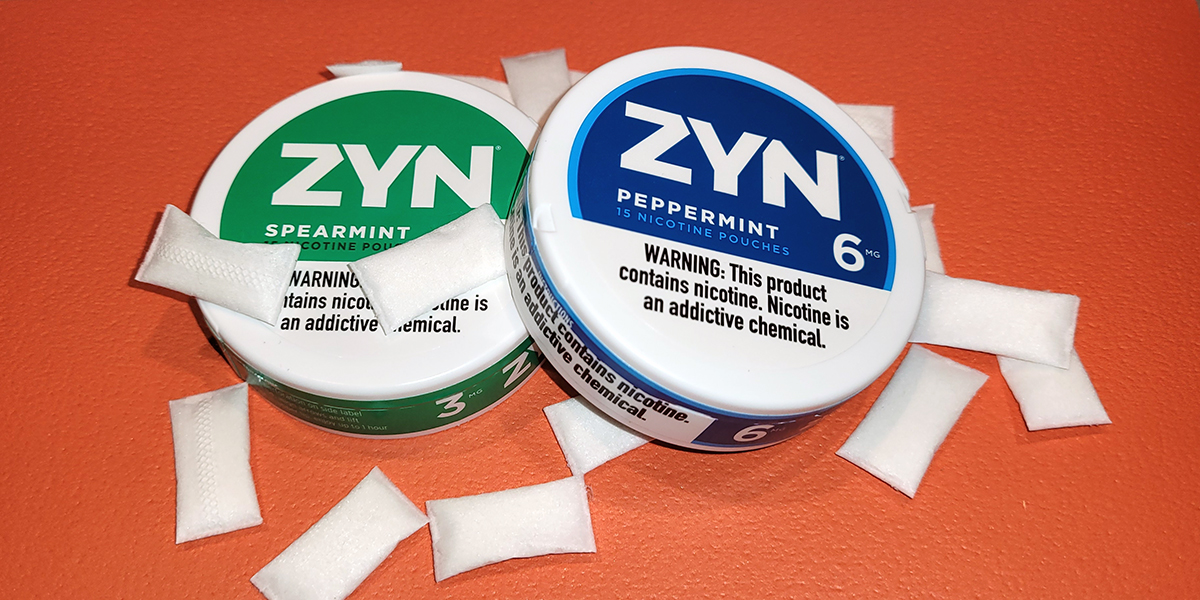
The oral cavity bears the primary physical impact of frequent pouch use. Dental practitioners report a distinct clinical presentation in long-term consumers: localized mucosal hyperkeratosis, often called "pouch keratosis." This condition manifests as a pale, wrinkled, leathery patch on the buccal tissue directly adjacent to where the user nests the sachet.
This localized reaction stems from two factors. First, the sustained alkaline pH required to facilitate nicotine absorption alters the delicate balance of the oral microbiome and irritates superficial epithelium. Second, nicotine acts as a potent local vasoconstrictor. By starving surrounding gum tissue of microvascular blood flow, the pouch slows tissue repair mechanisms.
Over extended periods, daily pouch placement can accelerate gingival recession. Once gum tissue retreats, the exposed root surfaces become vulnerable to mechanical abrasion and dental caries, especially because many pouch formulations rely on synthetic flavorings that stimulate localized salivation without protective buffering. While current clinical research does not link tobacco-free nicotine pouches to the aggressive oral squamous cell carcinomas associated with traditional chewing tobacco, dentists warn that chronic localized inflammation and irreversible gum loss remain real consequences for multi-can-a-week consumers.


