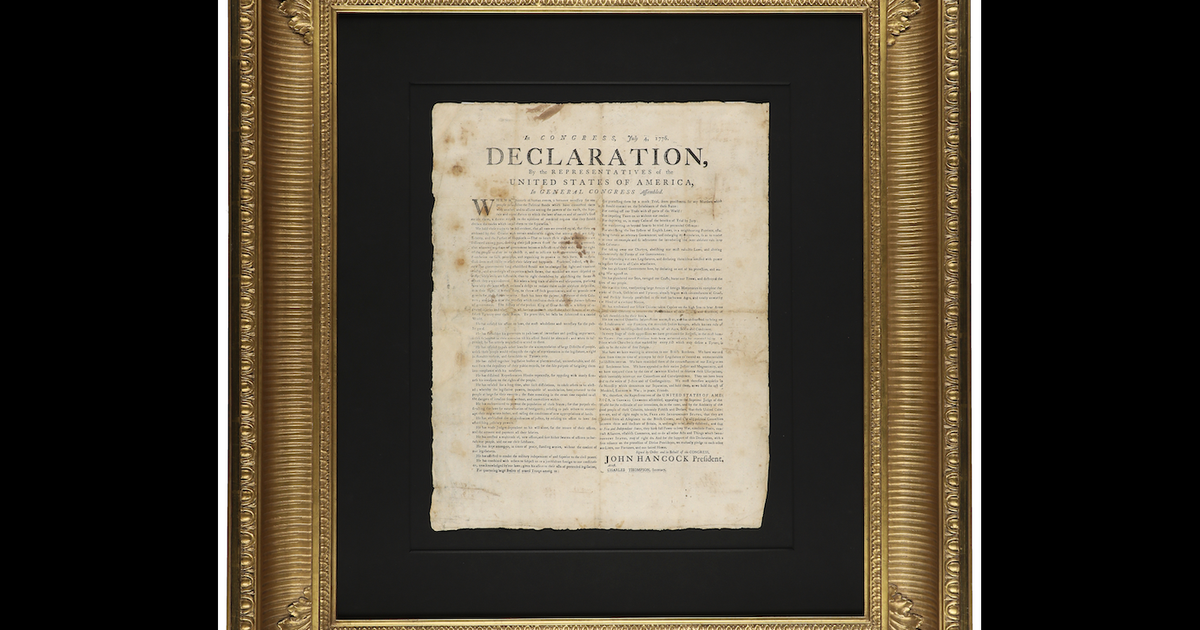
Public perceptions of American nationhood remain tied to emotional artifacts rather than administrative transitions. Rare primary sources command astronomical sums precisely because they link citizens to the revolutionary rupture of 1776. The purchase of the Exeter broadside by the Norcross family for $3.6 million highlights how early printings of the Declaration still capture public imagination. Printed in Exeter, New Hampshire, by Robert Luist Fowle in July 1776, that broadside was one of the earliest official transmissions sent across the colonies to inform militia units and town councils that their political allegiances had dissolved.
Archival records show that practical governance rarely matches civic memory. While broadsides printed in 1776 mobilized armies and unified a rebellious populace, documents such as the ratifications of the 1787 Constitution and the 1789 federal judiciary acts built the actual institutions of everyday law. The tension between ideological assertion and institutional stability ensures that the true birth year remains an open question depending on whether one measures ideas, recognition, or law.