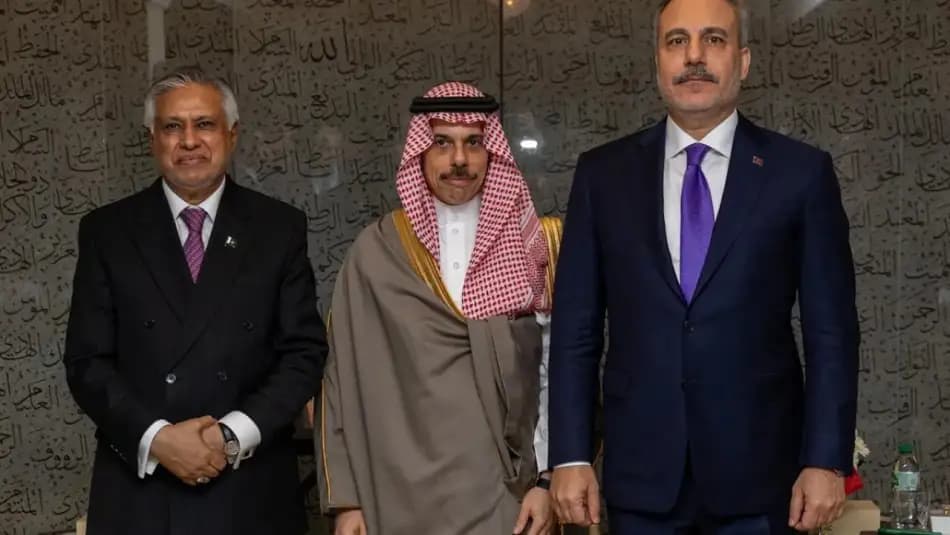
The Mecca Joint Defence Agreement represents more than an emergency reaction to cross-border missile strikes. It signals the consolidation of a multipolar Middle East where regional powers no longer wait for Western carrier strike groups to guarantee basic domestic stability. By intertwining Turkish industrial technology, Pakistani boots on the ground, and Saudi sovereign capital, the pact constructs a formidable security triangle designed to withstand irregular warfare.
Whether this tri-nation bloc acts as a durable stabilizer or provokes retaliatory counter-alliances depends on the restraint exercised by its combined command. With foreign battalions already staging on Saudi soil and joint air defense patrols actively scanning the southern skies, the Mecca pact is no longer a diplomatic aspiration. It is an operational military reality dictating terms across the Gulf.